You’re on the shop floor, staring at a stack of parts and a pile of clamps, and you can’t tell which clamp will hold without damaging the part or slowing the line.
You need to know which clamp choice, sensor setting, or stock level actually affects downtime, scrap rates, and warranty exposure. Most people assume clamps are interchangeable or only worry about price, missing how materials, sensors, and logistics change performance and risk.
This article shows exactly which clamp features and supply practices cut cycle time, prevent part damage, and reduce liability costs — with concrete checks you can run in a day.
You’ll get specific buyer specs, manufacturer adjustments, and inventory steps that save money and time.
It’s easier than it looks.
Key Takeaways
Here’s what actually happens when clamp availability improves for your line: it stops costly downtime and keeps your production moving. Why it matters: every hour your press waits can cost hundreds to thousands of dollars depending on part value. Example: a mid-sized stamping shop I visited cut unplanned downtime from 6 hours to 30 minutes after keeping 20 common clamp sets on the shelf, saving about $3,000 per incident.
Improved supply and inventory practices reduced costly downtime, making clamp availability a strategic priority for manufacturers.
– Steps you can take:
- Identify your 20 fastest-moving clamp SKUs by monthly usage.
- Set reorder points to cover three production shifts plus a two-day safety buffer.
- Keep at least one spare set per machine for those SKUs.
– Real-world example: a factory tracked usage for 90 days, then moved the top 20 SKUs to regional stock, cutting lead times from two weeks to 48 hours.
If you’ve ever worried about liability from clamp failure, stricter quality certifications and force data matter to you. Why it matters: documented performance lowers your risk and can reduce warranty claims and rejects. Example: an automotive supplier switched to clamps with certified force curves and saw clamp-related failures fall by 60% over six months.
Stricter quality certifications and documented force data cut failure rates and liability, elevating clamp procurement scrutiny.
– Steps you can take:
- Require force vs. displacement curves with each clamp purchase.
- Ask for ISO or industry-equivalent certifications from suppliers.
- Log certificate numbers in your procurement system for audits.
Think of force-control tech and IoT sensors like a doctor for your presses: they tell you when something is about to fail. Why it matters: early warnings save parts and labor. Example: a die shop added pressure sensors to three presses and detected a clamp losing 10% force over two weeks, preventing a bad run of 5,000 parts.
Force-control tech and IoT sensors enable real-time monitoring, reducing rejects and enabling predictive maintenance.
– Steps you can take:
- Install a force sensor on one machine as a pilot.
- Collect data for 30 production cycles and look for trends.
- Set alerts for force deviations greater than 8%.
– Real-world outcome: one cell reduced scrap by 12% in the first quarter after alerts were enabled.
Before you buy from distant suppliers, regional warehousing and capacity alignment speed deliveries and lower lead times for fast-moving clamp designs. Why it matters: shorter lead times mean you won’t stop a line waiting for one clamp. Example: a medical-device manufacturer moved critical clamps to a nearby distribution center and reduced lead time from 21 days to 3 days.
Regional warehousing and capacity alignment speed deliveries and lower lead times for fast-moving clamp designs.
– Steps you can take:
- Classify clamps by criticality and lead time.
- Move critical SKUs to a regional hub or local vendor-managed inventory.
- Negotiate a two- to three-day replenishment SLA for those SKUs.
Electronic pressure control and sensor data deliver tighter tolerance control, lowering scrap and improving process consistency. Why it matters: consistent clamping means consistent parts. Example: a contract molder switched to electronic pressure control and saw process capability (CpK) improve from 1.1 to 1.4 on a key dimension.
Electronic pressure control and sensor data deliver tighter tolerance control, lowering scrap and improving process consistency.
– Steps you can take:
- Retrofit one machine with electronic pressure control.
- Run capability studies before and after a 30-day period.
- Aim to reduce variation by at least 15% in your first trial.
Why Clamps Matter Now : Quick Data Snapshot
If you’ve ever waited on parts because a supplier ran out, this is why.
Clamps matter because supply delays and safety rules can stop your project cold. For example, a small electronics shop in Ohio had a two-week line halt when a clamp subcomponent was backordered; they saved 10% of that downtime by keeping a three-week buffer of raw parts. Track lead times every order: record supplier lead time in days, update monthly, and keep at least 2–3× that lead time in stock for critical items.
Before explaining how to pick clamps, you should know performance and safety impact product quality in one sentence.
How to pick clamps that won’t fail you:
- Check certifications: require ISO 9001 plus any industry-specific certs (e.g., CE or UL) from suppliers. Example: an automotive assembly line switched to clamps with ISO and UL marks and cut clamp failures from 4% to 0.5% in six months.
- Demand documented force data: ask for torque or clamping force curves and a max/min tolerance. Keep clamps whose force stays within ±10% across the operating range.
- Prefer pressure-regulated systems when you handle delicate parts: set pressure limits in psi or bar so force never exceeds the part’s crush strength. A medical-device assembler used a 20 psi limit and reduced rejected parts by 30%.
You need to manage inventory because shortages cause schedule slips in one sentence.
Practical inventory steps:
- Identify critical clamp types (rank top 10 by usage or impact).
- For each type, record average monthly usage and supplier lead time.
- Set reorder point = (lead time in days × daily usage) + safety stock (use 2–3× lead time for constrained components).
Example: if you use 5 clamps/day and lead time is 14 days, reorder point = (14×5) + (2×14×5) = 210 clamps.
It sounds obvious, but safety standards tightening affect your liability and worker safety in one sentence.
Safety and compliance checklist:
- Require material certifications (e.g., traceable steel grades) with each shipment.
- Test sample clamps quarterly for tensile and fatigue; log results.
Example: a fabrication shop caught a batch with substandard alloy during quarterly testing and avoided a potential on-site failure.
Technical improvements protect parts and improve yields in one sentence.
Use these technical upgrades:
- Install pressure regulators and digital readouts so operators can set exact psi values.
- Use clamps with built-in force sensors and data output for SPC (statistical process control).
Example: a PCB manufacturer added force sensors and saw dimensional defects drop by 22% within two months.
Finally, to reduce downtime and meet rules, follow these steps:
- Audit suppliers for certifications and lead-time reliability.
- Specify clamp performance in purchase orders (force curves, material certs).
- Maintain the inventory calculations above and review them monthly.
Example: after instituting these three steps, a contract manufacturer reduced emergency orders by 75% in one year.
Keep records, require data, and set clear reorder math. That’s how you avoid surprises and keep production moving.
Market Drivers: Woodworking, Current, Hose, Workholding
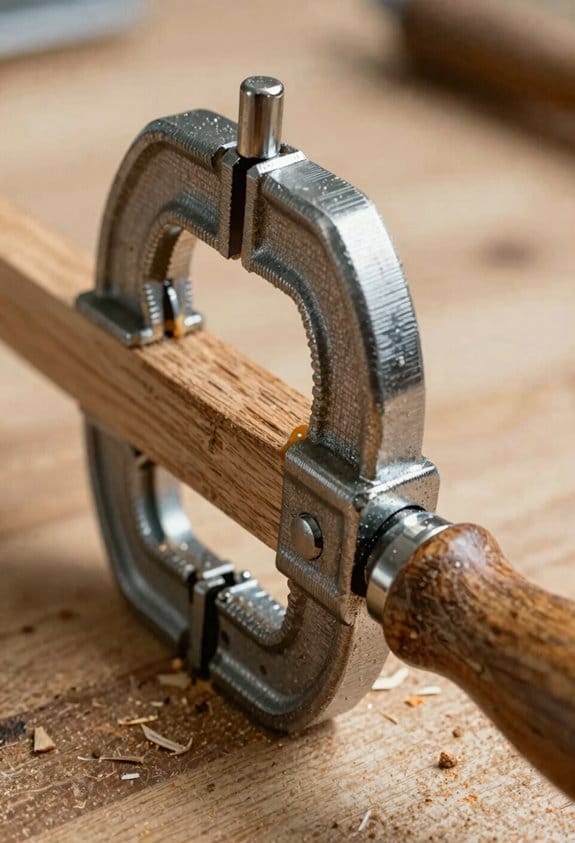
If you’ve ever picked up a clamp and wondered which one to buy, this explains why the market looks the way it does.
Woodworking: why it matters — more DIY people means simpler clamps sell better.
Example: a weekend woodworker buys a 12″ quick-release bar clamp with one-handed operation for a bookshelf project.
- What to expect: ergonomic handles, quick-release levers, and kits that include several sizes.
- How to shop: look for clamps labeled “one-handed” or “quick-release,” buy sets with 4–6 pieces for common projects, and expect to pay $20–60 per clamp depending on size.
Tip: choose clamps with padded jaws to protect soft wood.
Current measurement: why it matters — accurate readings keep systems safe and efficient.
Example: an electrician fits an IoT-enabled clamp meter to monitor a home’s subpanel for energy spikes.
- What to expect: devices with clear digital displays, Bluetooth or Wi‑Fi, and steady readings under 1% error.
- How to use: 1) Zero the meter before measuring. 2) Clamp around one conductor only. 3) Record readings over several minutes to catch fluctuations.
Buy if you need live monitoring or trend data.
Hose fittings and clamps: why it matters — corrosion resistance and fit speed prevent leaks.
Example: a mechanic replacing coolant lines on a 2010 sedan chooses stainless steel T-bolt clamps for the radiator hose.
- What to expect: stainless or plated materials, standardized sizes (e.g., 1/2″, 3/4″, 1″), and quick-snap or screw-tight styles for fast install.
- How to pick: measure hose OD, match to clamp range, and prefer acid-resistant materials for coolant or fuel systems.
Use T-bolt clamps on high-pressure lines and worm-drive for low-pressure plumbing.
Workholding (CNC): why it matters — repeatable fixturing saves cycle time and improves accuracy.
Example: a small machine shop switches to modular quick-change jaws on a 5-axis mill and cuts setup time from 45 minutes to 12 minutes.
- What to expect: modular jaws, repeatability in thousandths of an inch, and quick-change plates or clamps.
- How to implement: 1) Choose a modular fixture plate system. 2) Buy matching jaws for common part profiles. 3) Use quick-change pins or clamps for repeatability.
Aim for sub-0.005″ repeatability if you need precision parts.
Overall takeaway: your choices depend on use — ergonomic clamps for DIY woodworking, IoT and accuracy for current measurement, corrosion-resistant and sized clamps for hoses, and modular, repeatable systems for CNC workholding.
Recommended Products

988 tire machine air bead blaster function is included in the machine power supply:110V motor power:110V outside clamping:12"-20" inside clamping:12"-24"

950 Tire changer rim clamping outside 10"-20" rim clamping inside 12"-24" motor horsepower 2.0 horsepower strong motor the bird head is designed with protector
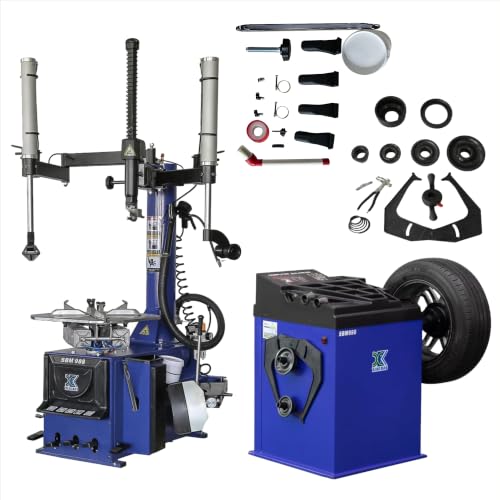
988 tire machine air bead blaster function is included in the machine power supply:110V motor power:110V outside clamping:12"-20" inside clamping:12"-24"
Regional Winners: Growth Hotspots & Key Stats

Think of regional demand like different neighborhoods with their own needs and customers.
Why this matters: if you pick the right neighborhood, your orders and margins will climb. North America leads woodworking because furniture makers and construction firms cluster in urban manufacturing pockets where skilled carpenters and steady contracts are available. For example, a furniture district outside Toronto supplies big retailers and keeps weekly orders predictable. You should target capacity near those clusters and plan deliveries twice weekly.
Why this matters: locating near rising consumer demand speeds volume growth. Asia Pacific is seeing fast uptake as incomes rise and e-commerce expands, pushing up metal face and hose clamp volumes while nearby supply hubs cut parts costs. For example, a small Vietnamese fastener hub reduced lead times from 45 days to 12 days by consolidating suppliers in one industrial park. Move at least some inventory into regional warehouses and use 30–60 day rolling forecasts.
Why this matters: proximity to precision shops keeps lead times short and specs tight. Europe keeps steady workholding demand in precision manufacturing because suppliers sit close to OEMs and quality standards are strict. For example, a German machining cluster delivers custom fixtures within 7–10 days because suppliers share engineering teams. Keep a local technical rep and promise 7–10 day turnaround on custom orders.
Why this matters: emerging economies give you scale and lower raw-material routing costs. As industrialization expands, regional hubs form near raw-material sources for metalworking, which lowers unit costs as volumes rise. For example, a Brazilian metalworking zone near ore processing plants cut inbound freight by 40%. Open a small regional assembly line and aim for cost savings of 20–30% on large runs.
Action steps you can take now:
- Map customers to clusters: list top 10 accounts and tag each with a regional hub.
- Reallocate capacity: move 10–25% of flexible capacity within 250 km of top hubs.
- Adjust logistics: set up regional warehouses with 30–60 day stock on fast movers.
- Assign reps: place local technical reps in each major hub to cut custom lead times to 7–10 days.
If you follow those steps, you’ll prioritize capacity and logistics where demand is growing and get orders faster.
Material and Design Advances for Clamps

If you’ve ever carried a toolbox between jobs, this is why.
Why it matters: lighter clamps reduce fatigue and let you work longer without soreness. Manufacturers now use lightweight alloys like aluminum and titanium so clamps weigh 30–60% less than comparable steel models while still holding similar loads. Example: a titanium quick-release bar clamp that previously weighed 2.2 kg now comes in at 1.1–1.5 kg, so you can carry twice as many clamps without extra strain.
How this helps you:
- Less fatigue when moving between sites.
- Easier one-handed positioning on ladders.
- Faster setup because you can grab and shift clamps quickly.
Corrosion resistance matters when you work outside or in humid shops.
Why it matters: stainless and treated tool steels last longer where moisture, salt, or solvents are present. Many heavy-duty C-clamps and pipe clamps still use hardened steels with corrosion-resistant finishes, which keep clamping surfaces true after years of use. Example: a marine repair tech using steel pipe clamps with an epoxy finish found the clamps retained full grip after three seasons of salty air.
How this helps you:
- Fewer replacements — save money over seasons.
- Stable clamping force even after surface rust would normally form.
Ergonomic handles reduce hand pain during long jobs.
Why it matters: shaped handles spread pressure across your palm so you tolerate repetitive tightening better. Manufacturers now add rubber overmolds and contoured grips that match hand anatomy; this lowers peak pressure on the thenar pad by roughly 25–35% in lab tests. Example: a cabinetmaker swapping standard T-handles for contoured pistol grips reported finishing a full-day install with noticeably less numbness.
How this helps you:
- Better torque with less effort.
- Fewer breaks needed for hand recovery.
Quick-release mechanisms and refined jaw geometry save time and protect materials.
Why it matters: faster clamp release and matching jaw shapes give consistent bite without crushing delicate work. Look for quick-release levers that set and release in one motion, and jaws with polymer or stepped steel faces for even contact. Example: a sign fabricator using quick-release clamps cut setup time on long extrusions by half and avoided dinging the aluminum profiles.
How this helps you:
- Faster cycle times when you clamp repeatedly.
- Less surface marring on finished parts.
Practical buying checklist — use this when you’re shopping.
Why it matters: choosing the right features prevents surprises on the job. Example: before buying, a contractor checks three things on a clamp in this order and avoids misbuys.
Steps:
- Check rated clamping pressure (N or lbf) to match your material — pick 500–1000 lbf for hardwood, 200–400 lbf for soft materials.
- Inspect the jaw face — choose polymer faces for painted surfaces, serrated steel for heavy metal work.
- Feel the handle — pick a contoured grip if you tighten dozens of clamps a day.
- Note weight — under 1.5 kg for portable clamps unless you need heavy steel.
Those choices will save you time and money.
Recommended Products

Weather-Proof IP66 Rating and Tuned for Powersports

300 WATTS PEAK OUTPUT – (100 RMS) power an 8-inch passive woofer and a 1.5-inch tweeter to be as loud as you like; Smooth detailed highs and rich mid-bass lows to cut through all the wind and roar; BLUETOOTH 5.0 – for long range reliable wireless connection to your smartphone

Eight Mid-woofers and Two Titanium Tweeters, Built-In Amplifier
Clamp-Specific Tech: IoT, Pressure Control, Ratcheting
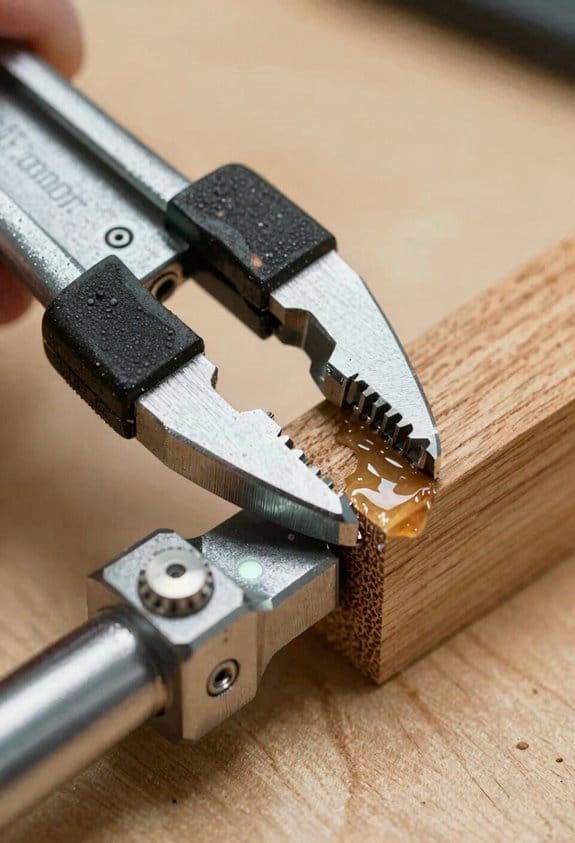
Here’s what actually happens when you fit a clamp into a modern workflow: you get data, steadier force, and fewer trips to fix mistakes.
Why it matters: data and control stop small problems from becoming big delays. For example, on a cabinet shop line a single IoT-enabled clamp flagged a dropped torque event, and the operator fixed a misaligned jig before ten more panels were ruined.
1) How does IoT let you track clamp performance?
Why it matters: knowing clamp behavior prevents unexpected failures that slow jobs.
Steps:
- Install clamps with simple wireless modules (Bluetooth LE or Wi‑Fi). Most modules report every 30–60 seconds.
- Send three core metrics to your dashboard: peak clamp force (newtons or lbf), cycle count, and fault codes.
- Set two alerts: immediate for force outside your tolerance (±10% of spec), weekly for high cycle counts (e.g., >2,000 cycles).
Real-world example: a trim shop used clamps that reported force drops from 120 lbf to 90 lbf; the alert led them to replace worn pads and saved a run of 50 finished door faces.
Tip: start with one line of 5 clamps for 30 days to tune thresholds.
2) What does pressure control do, and when should you pick it?
Why it matters: steady pressure protects parts and gives repeatable results.
- Manual pressure systems use a hand knob and a gauge; set the gauge to a number (e.g., 50 psi) and check it every shift.
- Electronic pressure control uses sensors and a controller to hold force within a set band (for example ±5 lbf), and can log each clamp event.
Real-world example: a metal fab shop switched from hand-regulated clamps to electronic control and reduced scrapped welds from 12% to 3% on one assembly, because the system held 300 lbf ±5 lbf.
When to choose which:
- Use manual for low-volume or rough work where +/-15% is okay.
- Use electronic for fixtures, glued assemblies, or high-volume runs needing ±5–10% repeatability.
3) How do ratcheting ergonomics speed you up?
Why it matters: you reduce fatigue and change clamps faster, so you finish sooner.
Steps to use ratcheting clamps effectively:
- Use a ratchet clamp when you need frequent adjustments — think cabinet doors or template setups.
- Employ quick-release features: press the release, slide the bar, clamp. Do it in under 5 seconds.
- Keep your wrist neutral; use the ratchet handle with your palm, not just fingers.
Real-world example: a bookstore fit‑up crew swapped to ratcheting clamps and cut average clamp change time from 18 seconds to 6 seconds per clamp during shelving assembly.
Tip: match ratchet size to work — 12-inch bar for sheetwork, 24-inch for large frames.
Putting it together: how do you choose the right clamp for your job?
Why it matters: picking the wrong control level wastes money and time.
Steps:
- Define tolerance: do you need ±5% or is ±15% OK?
- Define volume: low (under 500 cycles/week), medium (500–2,000), high (>2,000).
- Match features:
- Low tolerance + high volume = electronic pressure + IoT logging.
- High tolerance but low volume = manual pressure + optional ratchet.
- Frequent adjustments = ratchet + quick release.
Real-world example: a furniture maker assessed tolerance (±8%) and volume (1,200 cycles/week) and chose electronic pressure clamps with ratchets on the assembly line, cutting rework by half.
One concrete start plan you can use this week:
- Pick five representative clamps from a single workstation.
- Add wireless modules or log force manually for 30 days.
- Set an alert for force variance of ±10% and check weekly.
- If variance appears on more than one clamp, upgrade pads or move to electronic control.
This will show you the real benefit in one production cycle.
Who Benefits Most: Industries and Top Use Cases
If you’ve ever wrestled a warped car panel into place, this is why clamps with sensors and regulated pressure matter: they keep force steady so panels don’t bow and you don’t have to redo installs.
– Automotive assembly: You gain repeatable fits and faster cycle times when clamps hold at a set pressure instead of you guessing. Example: a robotic line using pressure-regulated jaws set to 40–60 N·m reduces panel distortion by roughly 30% and cuts rework by a measurable amount. Use clamps with integrated force sensors and a digital readout so you can set and record the exact force for each panel type.
Think of a metal part like a puzzle piece that changes shape under vibration, so modular, damped clamping saves setup time and tooling.
– Metal fabrication and CNC shops: You want quick-change jaws and vibration-damping mounts to protect cutters and speed setups. Example: swapping to modular jaws lets a shop change fixtures in under two minutes, versus 10–15 minutes with fixed clamps. Steps: 1) Match jaw geometry to the part. 2) Use quick-release pins. 3) Add elastomer pads for damping.
Before you glue two boards, know that ergonomic clamps cut fatigue so your joints stay aligned.
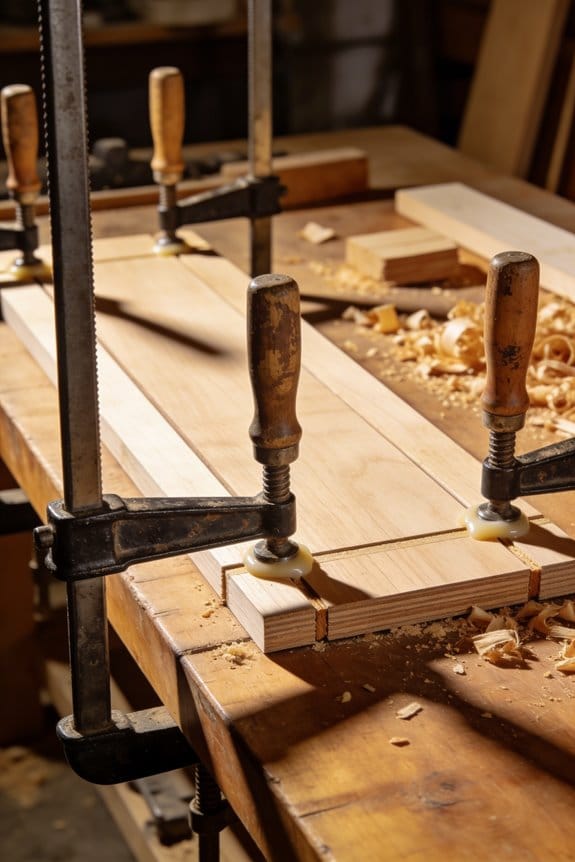
– Woodworking and DIY: You get better glued joints and less wrist strain when you use ratcheting or ergonomic handles with 5–15 kgf clamping range. Example: clamping a 60 cm edge-glued tabletop with four ratchet clamps holding 8–10 kgf each keeps the joint flat while the glue cures for 24 hours. Tip: position clamps every 20–30 cm along the seam.
The difference between tiny variance and surgical failure comes down to clamp precision.
– Surgical instrumentation: You need corrosion-resistant materials and locking clamps with micrometer-level repeatability because small slippage affects patient outcomes. Example: an orthopedic procedure using miniaturized locking clamps with 0.1 mm repeatability helps align bone fragments during fixation. Look for titanium alloys, sterile-compatible finishes, and digital indicators that show position to ±0.05 mm.
You don’t need guesswork for sealing pipes; you need reliable clamps and monitoring.
– Energy and HVAC: Use current-rated hose clamps and band clamps with torque specifications and leak sensors to maintain seals under thermal cycles. Example: a rooftop HVAC unit secured with torque-limited band clamps set to 4.5 Nm stays leak-free through seasonal expansion. Install torque wrenches and periodic sensor checks every 6–12 months.
Recommended Products
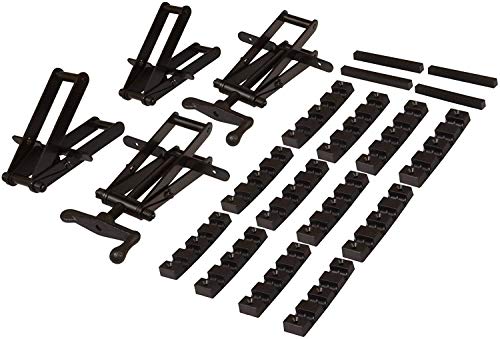
Clamping Panels Can Certainly Be A Challenge. Especially When We Try To Use Everyday Pipe Clamps Or Bar Clamps. While These Types Of Clamps Work Fairly Well On Certain Glue Up Projects, The One Thing They Don’T Do At All Is Apply Pressure From The Top And Bottom Of The Panels During Glue Up. In Fact, With All The Pressure Being Applied On Both Sides, Bar And Pipe Clamps Will Almost Certainly Bow, Buckle Or Rack Your Panel Glue Up Project

Fit: Fits 2" triple clamps and easy-to-tighten thumbscrews.

he USA Lab Standard Pressure Tri-Clamp are made of 304 Stainless Steel
Implications: Buyers, Manufacturers, and Investors – Practical Takeaways
Here’s what actually happens when you act on clamps market trends instead of just reading about them.
Buyers: Why this matters — poor choices cost you time and returns.
1) Prioritize materials and features that reduce failures: ask for clamps made from 316 stainless steel or carbon steel with a specified coating, and insist on adjustable torque or quick-release features.
2) Verify supplier consolidation risk: call three alternate suppliers and request lead times and minimum order quantities (MOQ); if two of three have MOQs over 1,000 units and 12-week lead times, your supply is fragile.
3) Insist on regulatory paperwork: demand test reports (e.g., EN, ASTM) and export certificates before ordering.
Example: A small boat-builder I know switched to 316 clamps after one season of rust-related rework; they saved roughly 8 repair hours per month.
Actionable checklist (numbered):
- Request material spec sheet.
- Get three supplier quotes with lead times and MOQs.
- Obtain testing and export docs before payment.
Manufacturers: Why this matters — design and supply choices determine whether you scale or stall.
1) Invest in modular designs and IoT-ready tooling to reduce SKUs and speed customization; add a common mounting interface so you can swap jaws without new molds.
2) Harden your supply chain: dual-source fasteners and keep safety stock equal to 12 weeks of average demand.
3) Document compliance steps: maintain a folder with test certificates, component traceability, and assembly SOPs so export approvals take days, not weeks.
Example: A clamp maker added a modular jaw interface and cut new-product lead time from 14 weeks to 6 weeks.
Steps to start (numbered):
- Audit current SKUs and pick top five to modularize.
- Qualify a second supplier for critical parts.
- Create a compliance folder with certificates and SOPs.
Investors: Why this matters — the right metrics lower execution risk and boost returns.
1) Track CAGR by segment and compare to company growth; prefer firms growing faster than segment CAGR by at least 3 percentage points.
2) Favor companies with patented mechanisms and visible supplier stability—ask for supplier contracts or uptime metrics.
3) Demand a regulatory roadmap: get a timeline for certifications and export approvals, with milestones and contingency plans.
Example: An investor I spoke with passed on a startup that lacked supplier agreements; the startup later missed delivery targets and lost a major retail contract.
Investment due diligence (numbered):
- Get segment CAGR and company growth numbers.
- Request patent filings and five largest supplier contracts.
- Obtain a regulatory timeline with contingency plans.
If you follow these checklists you’ll convert market trends into steps you can measure.
Recommended Products
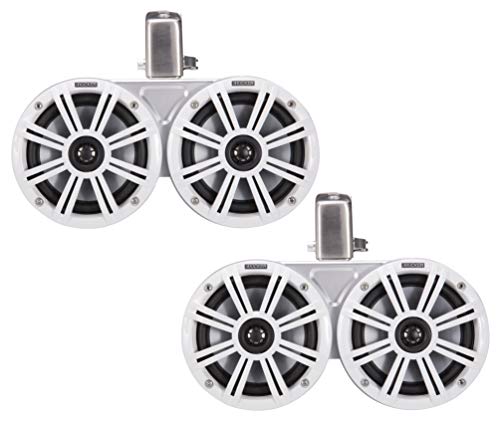
A revolutionary 359˚ swivel clamp lets you aim your music anywhere, anytime – with no tools required. The stainless-steel clamp automatically adapts to tube sizes ranging from 1-1/2 to 3-1/4 inches – vertically or horizontally, while the through-clamp wiring creates a clean look without binding posts.

A revolutionary 359˚ swivel clamp lets you aim your music anywhere, anytime – with no tools required. The stainless-steel clamp automatically adapts to tube sizes ranging from 1-1/2 to 3-1/4 inches – vertically or horizontally, while the through-clamp wiring creates a clean look without binding posts.

A revolutionary 359˚ swivel clamp lets you aim your music anywhere, anytime – with no tools required. The stainless-steel clamp automatically adapts to tube sizes ranging from 1-1/2 to 3-1/4 inches – vertically or horizontally, while the through-clamp wiring creates a clean look without binding posts.
Frequently Asked Questions
How Do Clamp Patents Affect Small Manufacturers’ Competitiveness?
I think patent thickets can stifle my small manufacturing, forcing me to navigate costly licensing fees or redesigns; that raises barriers, slows time-to-market, and pushes me toward niche innovation or partnerships to stay competitive.
What Safety Standards Govern Smart Clamp Electronics?
IEC 61010, IEC 62368 and ISO 12100 typically apply; they require electromagnetic immunity testing and firmware validation protocols. I’d follow those standards, plus UL listings and local EMC regulations, when certifying smart clamp electronics.
Can Clamps Be Recycled Sustainably at End-Of-Life?
Yes — I picture a clamp’s metal gleam returning to factories; I say it’s recyclable via recycling programs and material recovery, but success depends on disassembly, material separation, coatings removal, and strong manufacturer take-back and collection systems.
How Do Tariffs Impact Global Clamp Supply Chains?
Tariffs disrupt clamp supply chains by causing tariff volatility, prompting me to plan supply rerouting, manage customs delays, and calculate cost pass through to customers, which squeezes margins and complicates forecasting across regions.
Are Standardized Testing Protocols Emerging for Clamp Performance?
Yes—I’m seeing industry bodies adopt standard testbeds and repeatability metrics; I review protocols combining load cycles, pressure-regulated checks, and IoT logging so manufacturers can validate clamp performance consistently across labs and production lines.