You’re staring at a stack of planned cuts, unsure where to start, and you can’t tell if your setup will ruin the first real piece.
You’ve asked, “Should I just follow the plan or test everything on scrap first?” Most people jump straight into making the project without rehearsing the process, then learn from expensive mistakes.
This piece shows a step-by-step, repeatable workflow—setup, mockup, test cuts, measurement checks, and final cuts—so you won’t wreck real parts.
You’ll get simple templates, station routines, and checklist examples you can use immediately to build safe habits and speed skill transfer.
It’s easier than you think.
Key Takeaways
Here’s what actually happens when you learn woodworking by focusing on process instead of a finished project: you get real skills that last, not just one nicer box on your shelf.
– Why it matters: learning process-first builds repeatable skills that save time and material.
Example: in a class, students who practiced a 45° miter sled setup three times on scrap made clean corners on their final picture frames.
1) Break tasks into repeatable moves like measuring, marking, cutting, and sanding.
2) Practice each move on scrap 3–5 times before doing it on your workpiece.
3) Keep a short checklist for each move and tick it off every time.
If you’ve ever cut a board too short, this will help you avoid that mistake again.
– Why it matters: short, focused micro-skill drills reveal alignment and fit problems before final cuts, so you don’t ruin parts.
Example: before gluing a drawer, students cut dovetail tails on scrap, tested fit, and fixed a misalignment that would have wrecked the drawer front.
Steps:
1) Make a practice cut on scrap.
2) Assemble the practice pieces to check fit.
3) Adjust your setup and repeat until fit is consistent.
Think of learning tool use like learning to play a song: you practice bars, not the whole piece.
– Why it matters: short practice cycles with quick feedback speed up learning and build confidence.
Example: spend 10 minutes at the bandsaw for five straight days and you’ll see cleaner curves and fewer stops than one three-hour session.
1) Set a 10–20 minute drill focused on one skill.
2) Get immediate feedback from a teacher, checklist, or photo.
3) Repeat daily for measurable progress.
The difference between chaos and safe shops comes down to routines.
– Why it matters: station timing, checklists, and rehearsals make safety consistent and outcomes repeatable.
Example: a shop with a two-minute station checklist reduced blade contact incidents by half because students followed a fixed sequence.
Steps:
1) Time each station (e.g., 5 minutes for setup, 10 minutes for cutting).
2) Use a printed checklist at every station.
3) Rehearse the steps once without power to build muscle memory.
Before you skip documenting your work, set up a simple log system.
– Why it matters: practice artifacts, photos, and logs create feedback loops that teach troubleshooting and transferable habits.
Example: a student who photographed three failed joinery attempts noticed a consistent marking error and corrected it on the fourth try.
1) Take a photo of setup and result for each drill.
2) Write one sentence about what went wrong or right.
3) Store logs in a notebook or phone album for review.
Why Woodworking Classes Are Switching to Process-First Teaching
If you’ve ever walked into a shop where everyone’s racing to finish a project, this is why.
You learn better when you know the order of things, and process-first classes show you that order step by step. Start by looking at how a joint goes together before you cut the final pieces. For example, in one class I watched, students built a simple mortise-and-tenon mockup from 1/2″ pine on practice boards before making their oak legs; the mockup caught fit issues that would have ruined the real parts.
Why this matters: when you sequence tasks, you avoid mistakes that waste material and time.
How to use a process-first approach in your own work:
- Plan the sequence. Write 6–8 ordered steps for the project — for a small table that might be: measure top, cut legs, layout joinery, test-fit on practice boards, glue-up, sand and finish.
- Make a practice board. Cut the joinery on scrap wood the same thickness as your final pieces and assemble it to check fit.
- Do setup checks. Clamp a test piece and run the tool at working speed for 10–20 seconds to confirm alignment and depth before you touch final parts.
- Integrate hardware early. Screw a hinge or bracket to the practice assembly to verify clearance and screw length.
- Record adjustments. Note any measurement changes on your plan before you apply them to real wood.
Example: a student was fitting a drawer slide and discovered on a practice assembly that the 1/2″ plywood back interfered with the slide — they shortened the slide mount by 3/8″ and avoided ruining the drawer.
Why this matters: practicing and checking before final cuts saves you money and builds skill.
How this changes what you do in class:
- You’ll spend the first session on measuring, marking, and making test cuts instead of trying to finish a product.
- You’ll repeat a joinery step 3–5 times on scrap until your fit is consistent.
- You’ll adopt simple habits, like measuring twice and clamping once, and you’ll write down the exact tool setups you used (blade height, dado width, fence offset).
Example: a beginner who tested three different chisel angles on scrap ended up with neat mortises and a clean glue-up on their first final piece.
Why this matters: these habits help you troubleshoot when things go wrong.
What you’ll get out of it:
- Durable habits: you’ll build a checklist for setups and follow it every time.
- Transferable skills: the same sequence applies whether you’re making a chair or a box.
- Better troubleshooting: when a part doesn’t fit, you’ll know which step to recheck — measurement, layout, or cut.
Example: after learning the process-first routine, one student fixed a warped board by re-sequencing sanding and re-gluing rather than discarding the piece, saving $25 of hardwood.
Do this on your next project: write a 6–8 step plan, make a practice assembly, run a 10–20 second tool setup check, and note adjustments. You’ll make fewer mistakes and get better, faster.
How Process-Based Learning Builds Core Woodworking Skills
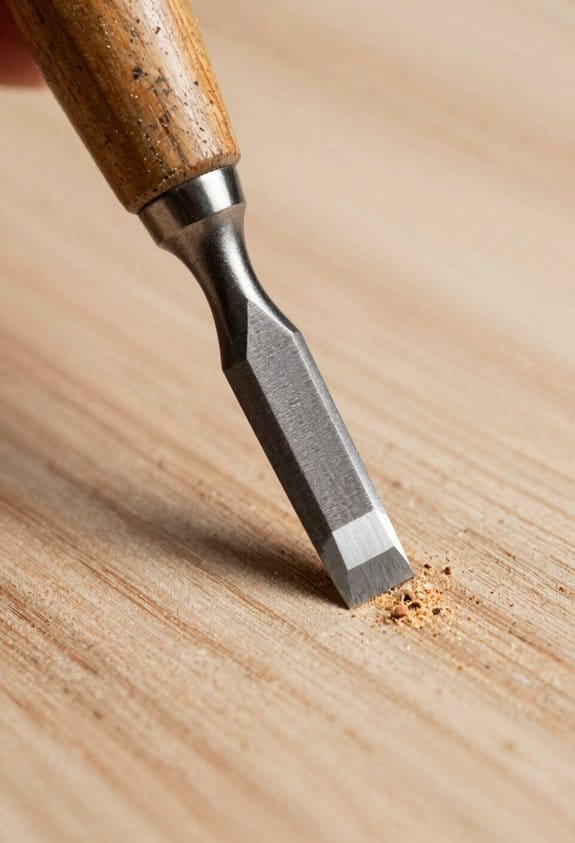
If you’ve ever picked up a chisel and thought, “How do I get better without ruining wood?”, this explains a practical path.
Why it matters: learning process-first keeps you from repeating the same costly mistakes.
1) Repeat setups to build muscle memory
Why this matters: consistent setups make cuts predictable and safe.
Example: clamp a 12″ x 6″ pine board to the bench, mark a 1/2″ rabbet, and rout it three times at 1/8″ depth each pass.
Steps:
- Square the board with a combination square and mark lines in pencil.
- Set fence or guide to 1/2″ from bit center and lock it.
- Make three shallow passes at steady feed (about 1 foot per second).
Do this on scrap until your rabbet is consistently the same size for three straight boards.
Tip: use the same clamp positions and a tape mark on the fence to reduce setup time.
2) Break tasks into small practice drills
Why this matters: focused drills let you isolate the skill you need to fix.
Example: before cutting a dovetail on a drawer side, practice six tails on a 6″ scrap with a 1:6 marking gauge.
Steps:
- Mark layout lines with a 1:6 bevel marker and transfer with a marking knife.
- Saw to the waste line with a dovetail saw, keeping the saw plate flat.
- Remove waste with a coping saw, then pare to the line with a sharp chisel.
Do the exercise until you can produce three matching tails in under 20 minutes.
Tip: number your scraps and note which approach (saw angle, paring technique) worked best.
3) Practice joinery, layout, and sanding on scraps
Why this matters: mistakes on scrap save the finished piece.
Example: glue a 4″ x 6″ test mortise-and-tenon and steam-test it for tightness after 24 hours.
Steps:
- Lay out tenon shoulders and cheeks with a marking knife and ruler.
- Cut tenon cheeks on the band saw or with a handsaw, then pare shoulders square.
- Chop mortise with a 3/8″ chisel using plunging strokes and light tapper taps.
Sand mating faces with 120, then 180 grit paper and fit dry; adjust until the joint slides together firmly without forcing.
Tip: mark the best-fit scrap and reuse its setup dimensions for the final piece.
4) Learn and measure the measuring
Why this matters: precise measuring prevents gaps and mismatched parts.
Example: measure the board width at three points and use the smallest measurement when sizing a drawer front.
Steps:
- Calibrate your square against a known 12″ rule.
- Measure at both ends and the middle; record numbers.
- Cut to the smallest value and re-check before final trimming.
Tip: keep a permanent pencil mark showing the calibrated edge on your square.
5) Use clamping and surface prep strategies deliberately
Why this matters: proper clamping avoids squeeze-out and misaligned joints.
Example: when gluing a 24″ panel, place clamps every 6″ and use cauls to keep it flat.
Steps:
- Apply glue in a thin, even bead and wipe excess after tightening clamps.
- Position clamps at 6″ intervals with one clamp 1″ from each end.
- Lay a straight caul with a 120 grit pad under to prevent marring.
Tip: number clamp order so you tighten in a consistent sequence.
6) Develop critical thinking through feedback loops
Why this matters: adjusting based on results makes you a problem solver.
Example: if a table leg wobbles after glue-up, measure diagonals, note which corner is high, and shave 1/32″ from that foot.
Steps:
- Check diagonals and perimeter for twist with a straightedge.
- Isolate the high corner and mark a removal line.
- Pare or sand 1/32″ at a time, re-checking until square.
Tip: keep a notebook with before/after measurements for future reference.
Final point: practice with purpose — short, repeated drills with measured tweaks will turn a shaky technique into reliable skill.
Recommended Products
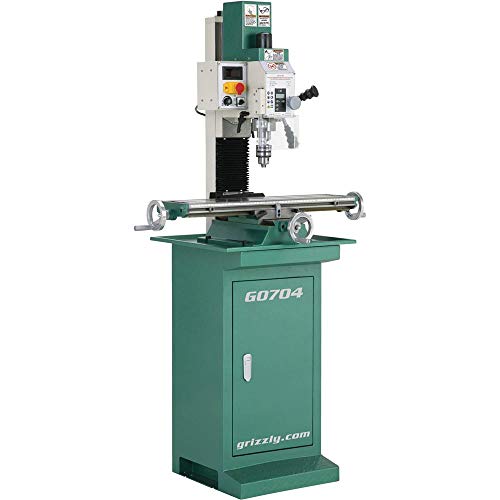
Item may ship in more than one box and may arrive separately

Infinitely-variable speeds (250 to 3,000 RPM) with no belt changes

1-1/2 HP motor with 12 speeds from 150 to 4,200 RPM
How Instructors Plan and Assess Process-Focused Workshops
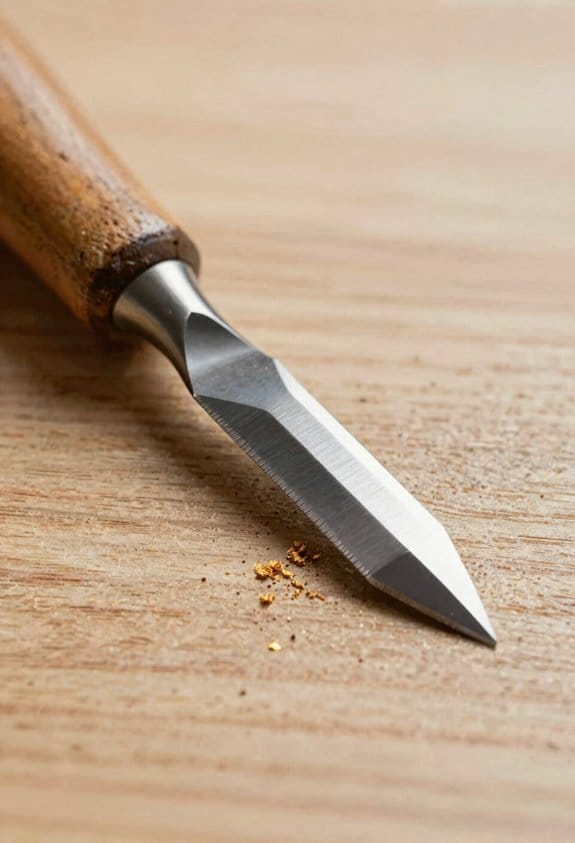
Here’s what actually happens when you plan a process-focused workshop: you want every exercise to lead somewhere measurable and useful.
Why it matters: clear purpose keeps students engaged and shows progress in real steps. For example, in a 2-hour woodworking station, you’ll see whether someone can move from rough-cut to sand-ready within 20 minutes because you designed tasks that match that goal.
1) How do you map the learning journey from raw material to finished component?
Why it matters: mapping prevents wasted time and confusion.
Steps:
- List the physical stages (e.g., raw board, cut blank, jointed edge, glued assembly, sanded finish).
- Estimate time for each stage (use 10–20 minutes per micro-skill in a 2-hour session).
- Draw a simple flowchart on a single page that shows inputs, key actions, and outputs for each stage.
Real-world example: sketch a flowchart for a turned wooden bowl showing blank selection → lathe roughing → shaping → sanding, with times: 10, 30, 40, 15 minutes.
2) How should you break tasks so students build competence?
Why it matters: small wins build confidence and skill.
Steps:
- Define three to five scaffolded tasks that isolate one skill each (e.g., measure and mark, cut to line, check fit).
- Start with a 5-minute demo, then 10–15 minutes guided practice, then a 5-minute independent check.
- Repeat a skill twice in the session; aim for at least three successful attempts per student.
Real-world example: when teaching soldering, have learners tin the iron (demo 5 min), solder a wire to a tab (guided 10 min), then solder a resistor into a board (independent 10 min).
3) How do you create assessment rubrics students can actually use?
Why it matters: clear rubrics turn opinion into observable behavior.
Steps:
- Pick 4–6 observable criteria: setup accuracy, tool safety, technique consistency, surface prep.
- Write three levels per criterion with concrete descriptions (e.g., Setup: 3 = workpiece clamped within 2 mm and aligned; 2 = within 5 mm; 1 = misaligned or loose).
- Score with numbers (3, 2, 1) and add one short corrective note per level.
Real-world example: for metal filing, a rubric item could be “file angle”: 3 = 45° ±5° across length; 2 = noticeable variation; 1 = angle inconsistent and corrective needed.
4) Which teaching models match each task?
Why it matters: matching method to skill speeds learning.
Steps:
- Use demonstration for new skills (5–10 min).
- Use guided practice with immediate feedback for tricky actions (10–20 min).
- Use peer review for finish checks and reflection (5–10 min).
Real-world example: teach a router pass: demonstrate cutting path (7 min), supervise each student doing one pass with feedback (15 min), then peers inspect edge quality against a 3-point checklist (8 min).
5) How do you time stations to allow repetition?
Why it matters: repetition lets learners consolidate a skill.
Steps:
- Limit stations to 15–30 minutes each in a half-day workshop.
- Schedule at least two practice cycles per station.
- Build a 10-minute buffer for setup and cleanup per station.
Real-world example: in a two-hour ceramics session, plan three 25-minute stations: throwing practice, trimming, and glazing, with two short repeats of the throwing drill.
6) What process artifacts should you collect?
Why it matters: artifacts document learning and show progress trends.
Steps:
- Photograph setups before and after each task (take 2–3 shots per student).
- Keep one practice piece per student per station.
- Save a short checklist or annotation with each photo noting issues and fixes.
Real-world example: collect a before/after photo pair of every student’s drill-press setup with a 1-sentence note about alignment.
7) How do you use rubric data to improve the workshop?
Why it matters: data tells you where to slow down or skip ahead.
Steps:
- Tabulate scores after the session and look for criteria averaging below 2.0.
- Reteach the lowest-scoring step in the next session and add a focused drill.
- Adjust station time by 5–10 minutes based on where most students struggled.
Real-world example: if 60% of students score 1 on “setup accuracy,” add a 15-minute setup-only drill to the next class.
A few final practical tips you can use right away:
- Print rubrics on half-sheets so students can carry them to stations. Keep one bolded criterion per sheet for quick focus.
- Limit instructor demonstration groups to five students so everyone sees details.
- Photograph at consistent angles for easier comparisons later.
Recommended Products
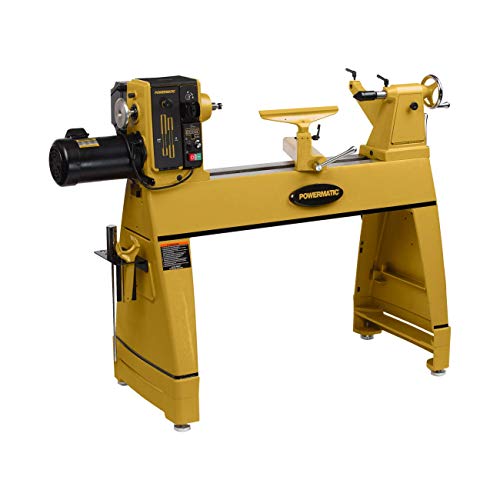
DIGITAL DISPLAY - Digital indexing readout simplifies the indexing process for added precision
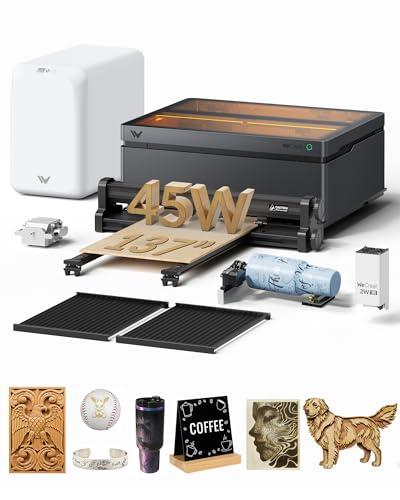
BeamFocus Tech, Cuts Like 60W: WeCreat Vision Pro laser power output level is 45000mW, but achieves 60W-like cutting power with BeamFocus, Effortlessly cuts 25mm wood and 20mm black acrylic in one pass, saving 50% time compared to other 40W laser machines, perfect for woodworker.
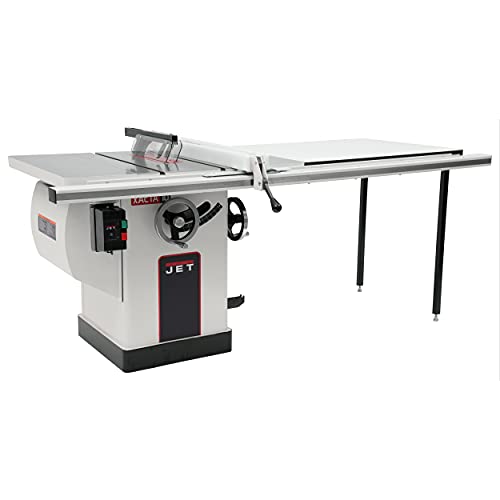
Exclusive 50-in. commercial XACTA fence II with T-square design
Shop Routines to Rehearse Before Major Woodworking Projects
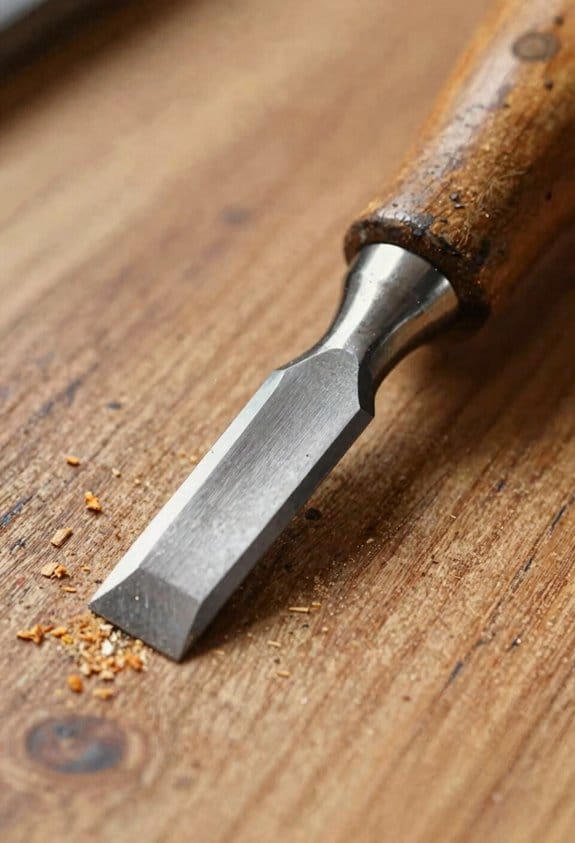
Before you start a major woodworking project, rehearse your shop routines so you don’t waste time or ruin parts.
Why this matters: rehearsing cuts mistakes before they cost you a board. Example: before cutting ten drawer fronts, I run the exact rip and crosscut sequence on a scrap 3/4″ plywood offcut so I can spot a 1/32″ drift in the fence that would make all fronts uneven.
1) Check tools first.
Why this matters: dull blades and misaligned guards cause bad cuts and safety hazards. Example: on my last cabinet, a slightly loose saw blade shaved off 1/16″ from every panel.
Steps:
- Inspect blades and bits; replace or sharpen if teeth are chipped or feel dull to the touch.
- Test guards and riving knives — push the blade guard through a scrap to confirm smooth travel.
- Verify calibration: run a 12″ cut and measure; adjust fence or miter gauge until the result is within 0.005″.
2) Stage your materials.
Why this matters: having boards sorted prevents mid-build confusion and glue mistakes. Example: I once glued a bookmatched pair reversed because I hadn’t labeled grain faces, and the mismatch cost a panel.
Steps:
- Group boards by grain, thickness, and sequence; stack them in order with a sticky note for each position.
- Label faces with pencil (A, B, C) and arrow for grain direction so you don’t flip pieces by accident.
- Pre-cut one scrap test piece to confirm thickness and fit before you process the set.
3) Rehearse measuring and marking.
Why this matters: a single mis-measure ruins joinery and forces re-cuts. Example: marking a tenon width wrong by 1/16″ made a drawer slide bind until I re-cut everything.
Steps:
- Measure and mark on a scrap using your final layout tools (caliper, combo square, marking knife).
- Cut the marked scrap and check fit; adjust your marking method if you see consistent offsets.
4) Practice joinery motions slowly.
Why this matters: controlled motion gives repeatable fits and safer work. Example: when hand-cutting dovetails, I practiced the first three pins on scrap and kept all tails at 0.5° taper, which matched the mating board perfectly.
Steps:
- Set speed to 50% or work by hand on scrap for the same joint.
- Make the joint and assemble the test; note any gaps or tight spots and adjust your technique or setup.
5) Confirm dust collection and clamp layout.
Why this matters: clamping and dust issues can block access or warp pieces during glue-up. Example: a clogged hose forced me to stop mid-glue and let joints dry misaligned.
Steps:
- Run the dust system for 30 seconds and inspect hoses and filters; clear any clogs.
- Place clamps around a mock assembly to ensure each clamp reaches and clears other tools or parts.
6) Walk the workflow aloud.
Why this matters: physically moving through each step reveals bottlenecks and missing tools. Example: I walked the build and realized the router table was two steps away from my assembly area, costing me repeated trips.
Steps:
- Starting with raw stock, walk to each station in sequence and touch the tool and material you’d use.
- Note any extra steps and reorganize to keep the most-used items within one or two paces.
Do these rehearsals and you’ll cut down on surprises, save at least one wasted board per project, and make the main build predictable.
Recommended Products

Unique, patented cutting action that rotates and oscillates to create perfect, clean, and repeatable mortises every time

SPECS - The Basic Slab Flattening Mill Pro has a slab capacity of 48.5" x 58". The rail lengths are 59"x76". Includes (2) 76" rails, (2) 59" cross rails, (1) router sled, (4) Slab Clamping Dogs and all assembly hardware. Does not include plywood or MDF base.

Tormek T-8 Original packaged with the TC-800 Tormek Jig and Accessory Case
Using Shop Process Logs and Practice Boards to Speed Mastery
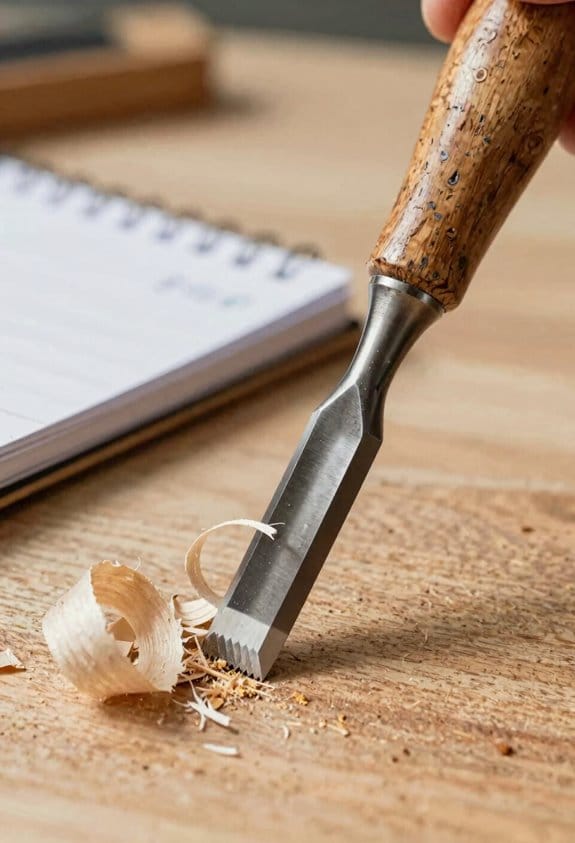
If you’ve ever set up a machine and later realized you forgot a step, this is why practice logs and boards matter.
Why this matters: logs and practice boards stop you repeating avoidable mistakes and help you learn faster. I once ruined a glued-up panel because my jointer fence was 1/16″ off; writing that down saved the next project.
How to keep a useful shop process log:
- Write one line per session with date, machine, and setup measurement (fence at 3/4″, blade height 1/8″).
- Record consumables and settings: blade or bit type (40-tooth crosscut, 1/8″ router bit), RPM if available, and feed speed (hand-feed at about 3–4 ft/min; table saw at steady pace).
- Note exactly what went wrong and why — e.g., “tearout at end grain; blade dull, increased feed rate” — and one fix to try next time.
Example: On 2026-02-10 I journaled: table saw 10° bevel, 40-tooth blade, fence 12.5″, tearout on oak endgrain; next time use sacrificial zero-clearance insert.
How to use setup checklists before powering tools:
Why this matters: a checklist prevents missed safety and alignment steps that cause scrap or injury. I once forgot to clamp a stop block and a cut pinched a blade.
Steps:
- Visual: blade clear of stock, guards in place.
- Measurement: fence and stop block locked, measuring twice (use a dial indicator or tape).
- Trial run: spin tool one second to confirm no weird noise.
Example: My table saw checklist has nine items — blade height, fence lock, miter gauge, zero-clearance insert, push stick, clamp, dust port, guards, PPE — and checking them takes under a minute.
How to cut and use practice boards:
Why this matters: practice boards let you test joinery and edge prep without risking the final piece. I cut two practice boards from the same oak as the project to dial in a mortise fit that later saved an expensive tabletop.
Steps:
- Cut a 12″ x 6″ practice board from the same species and thickness.
- Reproduce the joinery or surface prep on that board exactly (same blade, same bit, same fence/stop).
- Fit and tweak until the joint clears or clamps as desired, then copy the final settings to the real parts.
Example: For a through-tenon, I ran the tenon on the practice board, adjusted shoulder planes until the tenon fitted snugly but slid in by hand, then set the same router fence and cutter depth on the production stock.
How to review logs for deliberate practice:
Why this matters: pattern review shows which skills need focused reps so you stop repeating small failures. After a month of entries you’ll see trends like repeated tearout on one species or inconsistent bevel angles.
Steps:
- Every 4–6 sessions, scan your log and tally recurring problems (count instances).
- Pick the top one problem and schedule three focused reps that address it (same setup, controlled variable).
Example: I counted five instances of uneven planing over two weeks; I then did three 15-minute sessions practicing planing across the grain with the plane sole cambered in one small test piece.
Final practical tip: keep your log where you’ll use it — a small notebook by the dust collector or a phone note named “Shop Log” — and label practice boards with the date and settings so you can match them later.
Recommended Products

Quick-release riving knife for hassle free riving knife changes

Incredibly compact. Extremely versatile. So compact, it fits into a Systainer. Portable and precise, the CSC SYS 50 cordless table saw produces shop-quality cuts on the jobsite. Impressively versatile, with parallel cuts of up to 11“ (280 mm), a cross-cut width of up to 17-3/4“ (450 mm) and bevel cuts of -10° to 47°.

Shop Fox 10 in. 2 HP Open-Stand Hybrid Table Saw W1837
Frequently Asked Questions
How Does Process-Focused Teaching Affect Shop Safety Protocols?
It strengthens safety culture by teaching stepwise checks, promotes incident tracking for continual improvement, and I model routines, enforce documentation, and coach students so hazards get caught early and safer habits become standard practice in the shop.
Will Process Emphasis Increase Class Costs or Material Usage?
Yes — I’ll admit it: classrooms will feel like lumber avalanches at first, but thoughtful material budgets and extra instructional time tame chaos, so I’ll spend more upfront yet save wasted stock and improve long-term efficiency.
Do Assessments Still Include Final Product Quality?
Yes — I still assess final product quality, but I emphasize rubric calibration and peer feedback so we judge craftsmanship consistently; I also value documented process steps, corrective notes, and demonstrated skills alongside the finished piece.
How Do Beginners Stay Motivated Without Finished Projects?
You might think process feels boring, but I stay motivated by celebrating skill milestones, using peer accountability for encouragement, tracking small wins on practice boards, and reminding myself each step builds toward confident, high-quality finished work.
Can Process-Based Methods Be Adapted for Online Woodworking Courses?
Yes, I can adapt process-based methods for online woodworking courses using virtual workshops and stepwise video modules; I’ll scaffold skills, assign practice boards, give feedback through annotated videos, and foster community critique for steady progress.