You just watched a 30-second Reel where a chisel made perfect dovetails, and now you’re staring at your own uneven cuts asking which tool actually matters. You don’t know whether to trust that viral setting, the influencer’s one spec, or the grain in your stock.
Most people jump on whatever’s trending or copy a single clip without checking repeatable settings, blade wear, or real cutting footage. This piece will show you how to spot reliable tool demos: what exact clip length, which single spec to trust, how to read blade wear, and the three repeatable settings to reproduce results. You’ll learn to track trend signals like rapid engagement spikes and useful user videos so you pick tools that work. It’s easier than it looks.
Key Takeaways
Here’s what actually happens when a woodworking tool goes viral on social media: it suddenly becomes the tool you see in every short video, which drives interest faster than specs or tradition.
Why this matters: you’ll buy or try tools based on what you see working quickly.
Example: a 45-second TikTok shows a router jig cutting perfect dados in two passes; viewers try the jig that weekend.
– Viral short-form demos now define popularity. Videos that show a clear result in 30–90 seconds get the most clicks and shares.
Tip: when you watch a demo, check the runtime — under 90 seconds usually means the creator is emphasizing immediate, repeatable results.
If you’ve ever trusted a tool after watching a demo, this explains why.
Why this matters: you trust tools that show repeatability on camera.
Example: a user films the same block plane shaving three identical trim pieces in a row, and you notice the visible blade wear and consistent shavings.
- Look for repeatable settings shown on camera (blade depth, fence position).
- Watch for visible wear — consistent marks or shavings across multiple examples increase credibility.
- Prefer demos that show the same cut or shave three times.
Think of cross-platform resonance like a rumor that survives fact-checking.
Why this matters: tools that appear across search, YouTube, and TikTok are more likely to stick around.
Example: a new compact bandsaw pops up in a YouTube teardown, a TikTok quick demo, and a search result with buyer reviews.
– Check three places: search results for long-form info, YouTube for teardown or build video, and TikTok for quick demos and volume. If all three show the tool, it’s trending beyond a fad.
Before you act on social buzz, confirm practical validation with community reports.
Why this matters: photos, measurements, and forum test results turn excitement into usable knowledge.
Example: a forum thread posts photos of a drill press table with exact bolt spacing and a user-measured repeatable jig.
- Find at least two different posts with measurements or photos.
- Save the images and note the exact dimensions listed.
- Replicate the setup on scrap before cutting your project material.
The difference between a creator pushing a product and a real trend comes down to engagement speed and timing.
Why this matters: sudden spikes in likes/comments often mean momentum, not longevity.
Example: an influencer posts at 9 a.m., the video gets 200k likes in three hours, and major retailers sell out the same day.
– Look at engagement velocity: big spikes in the first 24 hours suggest hype.
Check whether smaller creators keep mentioning the tool after a week; sustained mentions point to staying power.
How Social Media Changed What Makes a Woodworking Tool “Popular
If you’ve ever watched a short woodworking demo, this is why.
Why it matters: your buying choices now respond to what you see and feel on-screen, not just numbers on a spec sheet. A picture-perfect demo can convince you faster than a motor rating.
Here’s what to look for and do when you shop or show a tool:
1) Show real use, not staged shots.
- Why it matters: you need to know the tool actually performs under normal conditions.
- Example: film a 90-second clip cutting a 3/4″ hardwood board for a cabinet face, showing feed rate and finish.
- Tip: capture both the cut and the blade or bit after the cut so viewers judge wear.
2) Explain one key spec, simply.
- Why it matters: people get overwhelmed by specs and tune out.
- Example: describe blade angle like this: “A 25° bevel gives cleaner crosscuts on soft maple than a 30° bevel,” then show a close-up photo of the two edges.
- Tip: pick the single spec that affects the result most and state the number.
3) Make results repeatable.
- Why it matters: your audience needs to believe they can copy you at home.
- Example: list three settings: speed = 3, feed = 1.5 in/sec, bit = 1/2″ upcut spiral, and then show the finished profile.
- Steps:
- Set the tool to your recommended number.
- Run one practice cut on scrap.
- Show the finished part next to the scrap for comparison.
4) Remember looks sell.
- Why it matters: viewers judge reliability from how clean and confident a demo appears.
- Example: a tool that stays steady on a painted workbench and throws no chips on camera looks more trustworthy than one used in a messy shot.
- Tip: use natural light and a steady mount for your phone; try a 45° shooting angle for clarity.
You still need accuracy and power. A tool with poor blade geometry or too little horsepower will fail regardless of presentation, so measure those specs yourself when you can.
Final concrete checklist for creators and buyers:
- Record one real cut on the target material (30–90 seconds).
- State the single most relevant spec and its number.
- Show the result next to the scrap and the blade/bit after use.
- List the three settings you used (speed, feed, bit/blade size).
Do those things and you’ll know whether the tool is actually useful, not just camera-friendly.
Recommended Products

INCLUDES: 3 in. face plate, 6 in. tool rest and 10 in. tool rest. Turning long spindles require either a longer tool rest or the user to continually move the short tool rest. On board storage for easy access.
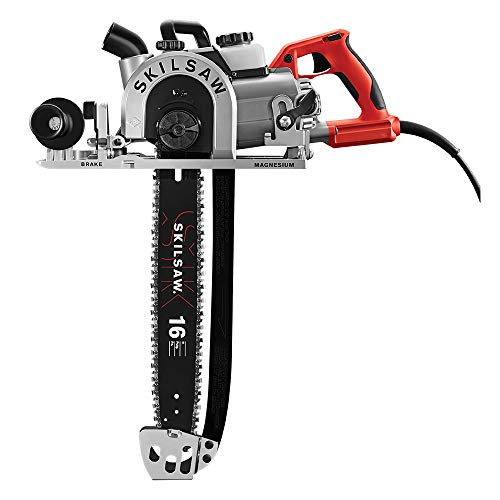
Worm drive gearing with electric brake delivers relentless power and proven durability

Platform Formats That Create Tool Trends (Reels, Tutorials, Pins, Groups)

If you’ve ever scrolled and wondered why certain tools pop up everywhere, this is why.
Short-form videos matter because they drive discovery in seconds; you get eyeballs fast and trends happen overnight. For example, a 30-second Reel showing a router trick with before-and-after cuts can ring up 200K views in a day and send beginners to buy that router bit. Use a strong visual hook in the first 2–3 seconds, show the action clearly, and add a quick caption with the tool name.
The difference between teaching and selling comes down to length of format.
Longer YouTube tutorials matter because they teach technique and safety, which reduces misuse and returns. A 12–18 minute video that shows setup, a cut at 0:00–3:00, a close-up at 4:00–7:00, and a safety checklist at 10:00 helps viewers actually use the tool correctly. Steps to make one:
- Plan a 12–18 minute outline with time stamps.
- Film close-ups of the tool at work for 3–5 clips.
- End with a 60-second safety recap.
A solid example is a bench planer tutorial that shows feed rate, tear-out solutions, and a final flattened board.
Think of Pinterest like a project scrapbook.
Idea pins matter because they package images and short steps, inspiring people to start projects and buy gear. A set of 6 pins showing a shelf build—material list, key cuts, glue-up photo, sanding close-up, finish shot, and a tool callout—makes the tool choice obvious. Pin high-res photos with a one-line materials list and a 3-step mini-guide to get saves.
Before you join groups, know what they actually do.
Facebook and niche groups matter because they create trust through local tips, troubleshooting, and recommendations that convert to purchases. A woodworkers’ local group where someone posts “what blade for oak?” and gets three photo-backed replies often leads to in-person sales or second-hand trades. Post clear photos of your setup, list the problem in one sentence, and ask for specific model suggestions.
How this affects what you should make:
- Use short-form clips for discovery and simple hacks.
- Publish 12–18 minute tutorials when you want to teach safe technique.
- Create 6-image idea pins to inspire project starts.
- Participate in groups with photos and exact questions for real feedback.
Pick the format that matches your goal: quick clicks, careful learning, project inspiration, or community validation.
Recommended Products

Digital readout gives the user the exact spindle height and allows for .001" adjustments
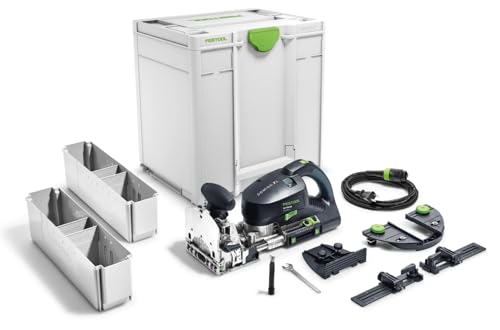
Unique, patented cutting action that rotates and oscillates to create perfect, clean, and repeatable mortises every time

Mega-Scale 33"x33"x4.72" Workspace: Tackle ambitious projects with a super large XYZ working area (33x33x4.72in) and 5.3" pass height, engineered for large materials and complex designs.
Influencer Endorsements and UGC Mechanics That Turn Tools Into Topics

If you’ve ever watched a creator demo a gadget and then seen everyone start talking about it, this explains why.
Why it matters: you spot buying cues and real use cases faster when endorsements and UGC connect. For example, a photographer posts a 60-second tripod test on Instagram showing wobbly vs. locked modes, and within two days hobbyist accounts repost clips and tag the model number.
How endorsements work and what to check
Why it matters: you avoid hype and spot honest recommendations.
1) Look for consistency in past posts. Count how many times the creator has featured similar tools in the last six months; if it’s 0–1, treat the endorsement as paid placement unless they disclose otherwise.
2) Read audience reactions. Scan the top 10 comments for concrete questions or complaints — if 6+ comments mention the same flaw, that’s real feedback.
3) Watch tutorial detail. Prefer creators who show technique: camera angles, settings, or step-by-step usage for at least 30 seconds. Example: a makeup creator who films product swatches, blending at three different lights, and lists brush sizes in a pinned comment.
How giveaway mechanics amplify reach
Why it matters: you can predict and manage the surge of posts.
1) Note the entry tasks. If the giveaway asks for tagging three friends, resharing to Stories, and a branded hashtag, expect a 3–5x increase in mentions in 48 hours.
2) Set clear moderation rules. Decide which hashtag you’ll monitor and archive posts daily using a simple spreadsheet with columns: handle, link, and date.
Example: an indie coffee roaster ran a giveaway asking for a 10-second brew clip with #MorningBrewContest and collected 420 entries in 72 hours; they filtered duplicates by checking timestamps.
How to encourage useful UGC
Why it matters: you get content you can actually reuse and moderate.
1) Specify formats. Ask for a 15–60 second vertical video, one photo, and the caption to include the product name.
2) Provide three example prompts. Keep them short: “show its first use,” “compare before/after,” or “name one surprising flaw.”
3) Give one hashtag and one tagging instruction. Example: require #MyToolTest and tag @yourbrand so you can pull entries easily.
Tip: require captions to include purchase links only in your official reposts.
Quick checklist to turn posts into ongoing conversations
Why it matters: you convert single demos into community learning and buying signals.
1) Track: daily hashtag mentions for 7 days.
2) Curate: save 10 best UGC posts and note what each demonstrates (use case, limit, tip).
3) Respond: reply to 20% of posts with a short tip or follow-up question within 48 hours.
Example: a small kitchen gadget brand tracked mentions for a week, saved 15 videos showing different recipes, and used that list to build an FAQ page.
Follow these steps and you’ll move from random posts to measurable buzz, clearer product questions, and usable community content.
Recommended Products
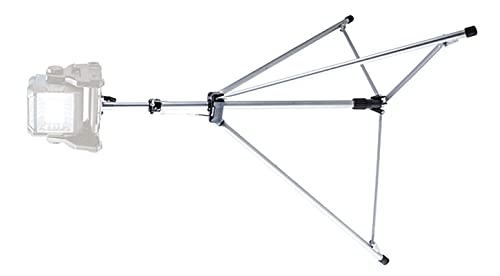
Manufactured from high quality materials

Extendable height from 16 to 44 for various conditions

Heavy-Duty Construction: Built with 0.04''/1mm aluminum alloy, this elevating tripod stand provides durable support for heavy instruments like total stations, with a maximum load capacity of 12lbs/5.44kg.
Metrics to Spot a Rising Woodworking-Tool Trend (What to Watch)

If you’ve ever tried to spot a product trend early, this is why tracking measurable signals matters: it shows real interest before sales rise.
How to track engagement velocity (what to measure and why it matters)
Why it matters: engagement velocity tells you whether attention is growing fast enough to become a trend.
1) Measure likes, comments, and shares per post over 7 days.
Example: a router accessory brand went from 50 to 400 likes per post in 5 days — that spike flagged an emerging trend.
- Track average daily change (%) and raw counts.
- Use a simple sheet with columns: date, post ID, likes, comments, shares, total, day-over-day % change.
Tip: flag any post with a >150% increase in total engagement in 48 hours.
End takeaway: sudden, sustained percentage jumps predict wider interest.
Which hashtags show real resonance
Why it matters: hashtags that attract followers and cross-posts create discovery beyond niche groups.
1) Monitor follower growth on the top 5 tags and count cross-posts weekly.
Example: #spiralrouter moved from 1.2K to 7.8K followers in two weeks and appeared on related woodworking and DIY accounts.
- Use a tracking column for followers gained per week and a column for number of unique accounts using the tag.
- Consider a tag showing both >300% follower growth and being used by 10+ unique accounts in one week as resonant.
End takeaway: resonance = more discovery across audiences.
How to compare platform mix to spot depth vs fad
Why it matters: a trend that shows up on search, long tutorials, and short clips is more likely to stick.
1) Check three metrics: search volume (Google Trends), long-form tutorials (YouTube uploads/week), short-form mentions (TikTok posts/week).
Example: a jig design showed steady Google search interest, two detailed YouTube how-tos in a week, and 30 TikTok mentions — that mix signaled sustained demand.
- Create a row per week with numbers from each platform and a “depth score” = (search index *1) + (YouTube uploads *2) + (TikTok posts *0.5).
- Treat a depth score jump of 50%+ in one week as meaningful.
End takeaway: multi-platform presence beats a single-platform spike.
How to confirm practical use via groups and sentiment
Why it matters: positive, specific comments mean people are actually using the tool, not just reacting.
1) Scan three forums or Facebook groups and read 30 comments across threads.
Example: in a joinery group, users posted photos of finished dovetail joints using a new clamp, plus notes on adjustments — that’s practical proof.
- Count mentions that include photos, measurements, or material notes; label them “useful” vs “generic.”
- If >40% of mentions are “useful,” mark adoption as practical.
End takeaway: photos and measurements equal real-world trials.
When influencer adoption matters and how to read timing
Why it matters: influencers often accelerate mainstream interest, but timing shows whether they’re leading or following.
1) Track the first 10 influencer posts mentioning the tool and note days since the first grassroots spike.
Example: micro-influencers posted 6–8 days after forum photos appeared, then a macro creator posted after two weeks — that sequence showed organic growth before amplification.
- Record influencer size, post date, and whether they provided a tutorial or just a shoutout.
- Treat tutorials from creators with 50K+ followers posted within 14 days of the grassroots spike as a sign the trend is moving mainstream.
End takeaway: early micro-influencers suggest authentic momentum; big names signal scale-up.
Quick checklist to use right now
Why it matters: a short routine saves time and keeps you consistent.
1) Weekly 10-minute routine:
- Open your engagement sheet and update 7-day engagement velocity.
- Check follower changes for top 5 hashtags.
- Pull Google Trends + count YouTube/TikTok posts.
- Scan 3 groups for 30 comments and tag “useful” ones.
- Note first 10 influencer mentions and timing.
Example: doing this once a week let one woodworker stock a trending bit before suppliers sold out.
End takeaway: a 10-minute weekly habit keeps you ahead.
How Woodworkers Should Use Social-Driven Tool Trends to Pick Tools and Plan Content

Before you treat social-driven tool trends as gospel, know this: they tell you what’s getting attention, not what will work in your shop.
I usually treat trends as signals, not prescriptions, because they help you spot options quickly. Why this matters: attention can mean easier parts, more tutorials, and lower prices. Example: when compact track saws started trending on Instagram, I found spare parts on eBay and two tutorial videos that cut my learning time in half.
If you want to read those signals, do this:
- Check platform popularity. Look where the tool is discussed (YouTube, TikTok, Reddit).
- Cross-check reviews. Search for at least three long-form reviews on forums or dedicated tool sites.
- Compare use cases. Match claimed benefits to the projects you build.
I look at platform popularity to see where a tool is discussed because each platform highlights different strengths. One real-world example: a planer that’s all over TikTok had fast set-up clips, but the YouTube videos showed blade alignment issues you’d notice on larger builds. The clear takeaway: attention without detailed reviews can hide flaws.
For purchases, use budget prioritization to avoid impulse buys. Why this matters: it keeps your shop usable and safe while spending less. Example: I saved $450 by delaying a fancy dust collection add-on and instead bought a better push stick and clamps that I used every day.
Steps to prioritize:
- List tools you want.
- Rank them by frequency of use (daily, weekly, monthly), safety impact, and fit for upcoming projects.
- Set a spending cap per quarter and fund the top-ranked item.
For content planning, map topics into a calendar so your followers see consistency and value. Why this matters: consistent, varied content builds trust and repeat viewers. Example: I scheduled one detailed build video per month, two quick maintenance tips per week, and one honest review each month; my channel watch time rose 30% in three months.
How to build the calendar:
- Pick three content types: how-to builds, short maintenance tips, and honest reviews.
- Assign frequencies: 1 long build/month, 2 short tips/week, 1 review/month.
- Batch-produce where possible to save time.
When you test a new tool, test one at a time so your results are clear. Why this matters: it prevents confusing variables and helps followers trust your opinion. Example: I bought a new random-orbit sander and ran it on three woods over a weekend, filming each pass; that footage made the review useful and believable.
Testing steps:
- Use the tool on at least three materials or tasks.
- Record setup time, results, and one safety note.
- Share actual runtimes, feed rates, or grit numbers in your post.
Finally, document results and adapt buying and posting choices based on real outcomes. Why this matters: your shop and audience both learn faster when you use evidence. Example: after documenting that a mid-range router lasted two full projects before a bit change, I stopped chasing top-tier models and invested in router bits instead.
Do this:
- Keep a simple log: date, task, material, and one line of result.
- Re-evaluate every quarter and adjust your buying and content priorities.
Recommended Products

BEST VALUE - Enjoy the safety and security of heavy duty solid powder coated steel construction at the best price. Each 10 Foot rail has 60 expertly engineered horizontal slot anchor points for tie downs, ratchet straps, J hooks, E track o ring installs and more.

ADVANCED TECH MEETS ICONIC DESIGN: The NexStar 6SE pairs Celestron’s legendary orange tube with a fully computerized GoTo system—ideal for those ready to step up from manual scopes and explore more of the night sky with precision and ease.

Can easily be carried to a jobsite, due to its compact size and light weight.
Frequently Asked Questions
How Do Manufacturers Respond to Sudden Social-Media-Driven Tool Spikes?
Like wildfire, I react fast: I adjust inventory management, ramp production, and lock influencer partnerships to sustain buzz. I’ll reroute logistics, offer limited drops, and monitor demand analytics so supply matches sudden social-media-driven spikes.
Can Trends Cause Dangerous Misuse of Tools?
Yes — I’ve seen viral hacks prompt safety neglect, with viewers copying risky shortcuts without training; I urge you to question trends, prioritize proper technique, and seek reliable tutorials so curiosity doesn’t become serious injury.
Do Niche Tools Ever Regain Popularity After a Decline?
Yes — I’ve seen niche tools regain popularity through vintage resurgence and influencer endorsements; I’ll often promote older handplanes or braces, showing techniques that spark renewed interest and practical revival among followers and hobbyists.
How Do Regional Differences Affect Tool Trend Adoption?
I’ve seen a friend’s tiny coastal shop favor handplanes like heirlooms—regional preferences shape adoption, guided by cultural aesthetics, local materials, and community taste; I’ll follow and adapt recommendations that honor those local values.
Will Social Trends Change Long-Term Tool Quality Standards?
I think social trends will nudge standards, but they won’t replace core safety and aesthetic durability expectations; influencer endorsements speed adoption of trendy tools, yet long-term quality norms remain driven by performance, regulation, and professional practice.