You’re standing in your shop after a long day, wiping sawdust off the table and wondering whether that fine dust on the floor and in the ductwork is actually dangerous. The exact question nagging you: can the dust you shrug off as “mess” cause an explosion or sudden fire?
Most people assume only large piles or sparks from big equipment are the real hazards and ignore the invisible clouds and settled films that fuel blasts. This article will show you how everyday tools and poor extraction create ignition-ready dust, how to identify high-risk spots, and the specific steps—housekeeping routines, extraction tweaks, grounding, and monitoring—that reduce your fire risk.
Follow these clear actions and cut your chance of a dust fire dramatically. It’s easier than you think.
Key Takeaways
If you’ve ever worked around a sander or planer, this is why.
Why this matters: fine dust in the air can ignite almost instantly and spread fire faster than a pile of wood. Fine wood dust (under 100 µm) forms combustible clouds that light more easily and burn much faster than solid stock, so keep dust collection running and avoid creating clouds. Example: while sanding a cabinet, a puff of dust from a clogged hose can hang in the workshop and flash into flame if a spark appears.
Before you set up duct runs, you need to know where dust hides.
Why this matters: settled dust can smolder out of sight and then explode when dispersed, causing pressure spikes and rapid fire spread. Accumulated dust in ducts, ledges, and cavities can smolder unnoticed and then erupt into a secondary explosion when disturbed. Example: a small smoldering pocket in a drop ceiling was blasted across a factory when a primary blast shook the deposits loose.
Think of moisture like a fire brake.
Why this matters: dry material ignites far more readily than damp material, so check humidity and material condition. Stock under 5% moisture and kiln-dried boards will catch and spread fire easier than higher‑moisture materials; storing lumber in a slightly humid room or leaving green offcuts reduces ignition propensity. Example: a stack of kiln-dried shingles at 3% moisture caught from a hot chip that landed on them during routing.
Here’s what actually happens when a hot part or spark meets dust.
Why this matters: small heat sources can trigger big fires, so control hot surfaces and clear dust from moving parts. Sparks, hot bearings, or glowing chips can ignite suspended dust or a dust-filled vacuum, causing rapid fire spread through your system. Example: a seized motor bearing threw a glowing fragment into a full collection bin and the whole bin burned within minutes.
If you’ve ever skipped a cleanup, this is why.
Why this matters: hidden deposits plus a primary blast raise the chance of a devastating secondary explosion, so clean regularly and inspect blind spots. Poor housekeeping and hidden deposits on beams, behind equipment, and above drop ceilings raise secondary-explosion risk when a primary blast disperses settled dust. Example: a shop that cleaned only floors missed a quarter-inch layer on overhead beams that contributed to a large secondary event.
Practical steps you can take (numbered):
- Inspect and clean daily in high-dust zones; weekly for the rest.
- Keep humidity around 45–55% for stored lumber when feasible.
- Run balanced dust collection at the source and empty bins before they reach 75% full.
- Install bearing temperature monitors and guards on grinders and saws.
- Check and clean ductwork, ledges, and ceiling voids every three months.
Follow these and you’ll cut both ignition chances and explosion severity.
Why Wood Dust Is More Dangerous Than Whole Wood
Think of wood dust like a shaken can of powdered sugar that can explode if you spark it.
Because wood dust is tiny, it behaves very differently than a solid board and creates much greater fire and health risks. When you break wood into fine particles your surface area jumps — a few boards can turn into square meters of exposed wood. That makes it burn faster because more oxygen can reach the material at once. For example, a shop vacuum full of fine sawdust near a running belt sander can ignite from a single hot bearing, and the fire will spread far quicker than from the original lumber.
Before I tell you how to control it, here’s why it matters in one sentence: dust clouds ignite easily and tiny particles get into your lungs. If you sand an old pine plank for 10 minutes without extraction, you’ll coat the bench with a fine dust layer about 1–2 millimeters thick and breathe visible particles when you step back.
How the hazard changes, step by step:
- Particles get smaller — surface area increases.
- Small particles suspend in air — you get a cloud.
- Sparks or hot surfaces ignite the cloud — rapid combustion follows.
A real example: a portable circular saw throwing a tiny glowing chip can light a suspended dust cloud from a nearby sanding operation.
What to do about it — three clear controls:
- Housekeeping: vacuum crumbs daily, and wipe beams weekly. Use a HEPA-equipped shop vacuum; empty it outside at least once a week.
- Extraction: mount a dust collector with a flow of at least 400 CFM for a table saw and 600–800 CFM for a large planer. Keep collection hoses short, straight, and checked monthly for leaks.
- Eliminate ignition sources: ground metal equipment, use non-sparking tools near dust piles, and keep belts/ bearings maintained to avoid overheating. Replace worn bearings as soon as you hear a growl.
Health controls in practice:
- Masking: wear an N95 for sanding hardwoods, and a P100 respirator for painted or treated wood. Change cartridges every 40 hours of use or per manufacturer guidance.
- Ventilation: add a cross-bench fan to move air toward the extractor; aim for 4–6 air changes per hour in small shops.
A concrete example: sanding an 8-foot oak beam for 30 minutes without extraction usually leaves a visible dust haze; with a 600 CFM extractor correctly positioned you should see that haze drop within a minute.
Keep these specific checks on a simple schedule:
- Daily — vacuum benches, empty portable vac.
- Weekly — inspect ducts and clean visible buildup on beams.
- Monthly — test extractor airflow and check grounding.
- Yearly — service dust collector and replace filters.
You don’t need fancy gear to reduce risk; you need consistent actions and basic tools. Follow the steps above, and you’ll cut both the fire risk and the long-term lung damage from wood dust.
How Particle Size, Moisture, and Confinement Change Explosion Risk

If you’ve ever sanded or cut wood at home, this is why.
Why this matters: a wood-dust explosion can destroy equipment and injure people in seconds.
Particle size — how small makes dust dangerous?
Why it matters: smaller particles ignite faster because more surface touches the air, so fine dust from tools is the biggest hazard.
Example: when you sand a hardwood floor with a belt sander, the cloud of near-invisible dust you see around the vacuum hose is the risky stuff.
How it works, simply:
- Tiny particles (under about 100 micrometers) have a lot of surface area for their mass, so they heat and burn rapidly.
- Very fine dust (under ~50 micrometers) can suspend easily and form a combustible cloud.
- Coarser chips and shavings usually fall out of the air quickly and are less likely to explode.
Takeaway: control the dust at the source — use a sander with a dust port, run your shop vac while you work, and wear a mask.
Moisture content — wet versus dry dust
Why it matters: water reduces the chance dust will float and burn, so humidity and how you store sawdust change your risk.
Example: a pile of green-cut cedar outside will clump and not billow, but a bucket of dry kiln-dried sawdust in a heated garage will form clouds when disturbed.
How it works, simply:
- Wet dust absorbs heat and sticks together, so it won’t suspend as easily.
- Dry dust (<5% moisture) suspends and ignites more readily than dust at 10–15% moisture.
- Avoid forced drying near heat sources — that raises ignition risk.
Steps you can take:
- Keep dust bins covered and labeled.
- If you must store sawdust, aim for moisture around 8–12% where practical.
- Don’t use open flames or hot equipment near drying piles.
Takeaway: keep sawdust a little damp or sealed until disposal, and never let it dry out near heat.
Confinement — why closed spaces amplify explosions
Why it matters: if a dust cloud ignites inside a room, duct, or silo, pressure builds and the blast becomes destructive.
Example: a clogged duct carrying fine dust that ignites can blow panels off a machine and push burning dust into the shop, causing a secondary, larger explosion.
How it works, simply:
- An ignition in an open area usually produces a flash; the same ignition in a confined volume produces high pressure.
- Secondary explosions happen when settled dust is blown into the air by the primary blast and then ignites.
- Ductwork, bins, and poorly ventilated rooms are the main confinement hazards.
Practical steps:
- Keep ducts clean — inspect and clean monthly in active shops.
- Use explosion-relief panels or properly rated vents on dust collectors and bins.
- Regularly clean settled dust from rafters, beams, and ledges; use a vacuum with a HEPA or industrial filter rather than sweeping.
Takeaway: prevent dust accumulation and provide pressure relief for enclosed equipment.
Quick checklist you can use right now:
- Use tools with dust ports and run a shop vac while cutting or sanding.
- Store sawdust covered and avoid drying it near heat.
- Inspect and clean ducts and elevated surfaces monthly.
- Fit dust collectors with appropriate vents or relief panels.
If you follow those steps, you’ll reduce the biggest risks quickly.
High-Risk Operations That Create the Most Wood-Dust Hazards

Before you start any woodworking job, you need to know which tasks kick up the most dangerous dust and why that matters: fine particles can make you sick and can ignite if they accumulate.
Here’s what actually happens when you run a saw like a band, circular, or panel saw: high-speed blades throw up clouds of very fine particles that stay suspended for minutes. That matters because particles under 10 microns can reach your lungs; wear an N95 for light work and a P100 when you’re cutting a lot. Example: on a job where I cut 100 4×8 MDF sheets in a day, the air turned visibly hazy in the first hour without extraction. Step 1: run a local extractor at 1,200–2,000 CFM positioned within 6 inches of the blade. Step 2: stop every hour to clear the collection bag.
Think of sanding like grinding sugar into dust: sanding MDF creates the tiniest particles that float and drift into your breathing zone, which is why ventilation and capture matter. You should always use a sander with a dust port and a vacuum rated for fine dust (HEPA filter if available). Real example: a furniture maker I worked with switched to a 6″ random-orbit sander with a 2.5″ dust hose hooked to a shop vac and cut cleanup time from an hour to ten minutes. Steps: 1) pick 120–150 grit for finish sanding, 2) use the vacuum on the sander, 3) replace vacuum filters after 8–10 hours of heavy use.
Before you feed wood through a planer or run a router, know that both shed long fibers that wedge into housings and cams, where heat or a spark can ignite them. That matters because packed fibers can smolder for hours. Example: a small shop I inspected had a router table motor clogged with compacted shavings that reached 300°F during a long session. Steps: 1) clean housings and ports every day, 2) remove chips from motor vents weekly, 3) keep a 3-foot clearance around motors for airflow.
If you’ve ever carried a grinder or circular saw from job to job, this is why portable tools raise risk: they often lack integrated extraction and they track dust between sites. That matters because contamination spreads. Example: on a renovation I did, the same portable saw filled with dust on day one and shed it into a van on day two, leaving particulate everywhere. Steps: 1) use a portable extractor or hook hose to a backpack vac, 2) blow out tool housings outdoors after each day, 3) store tools in sealed cases.
The difference between dry and damp stock comes down to ignition propensity: kiln drying and sorting can create very dry dust that ignites more easily, so seasonal humidity changes change risk profiles. That matters because a dry winter shop is more explosion-prone. Example: one mill added a humidifier in winter and saw visible dust settling faster after humidity rose from 25% to 40%. Steps: 1) monitor relative humidity with a hygrometer, 2) keep RH above 30% when practical, 3) adjust housekeeping frequency to match dryness.
Follow these concrete steps now:
- Prioritize sources: start with saws and sanders, then planers/routers, then portable tools.
- Use extraction rated by CFM and distance: 1,200–2,000 CFM for large saws, vacuum within 6 inches of source.
- Mask up: N95 for light work, P100 or supplied-air for heavy or prolonged exposure.
- Clean daily: clear chips from housings, empty collection bags before they’re over half full.
- Monitor environment: hygrometer, weekly filter checks, and log cleaning times.
If you do these things, you’ll reduce both inhalation and explosion risks in straightforward, measurable steps.
Recommended Products
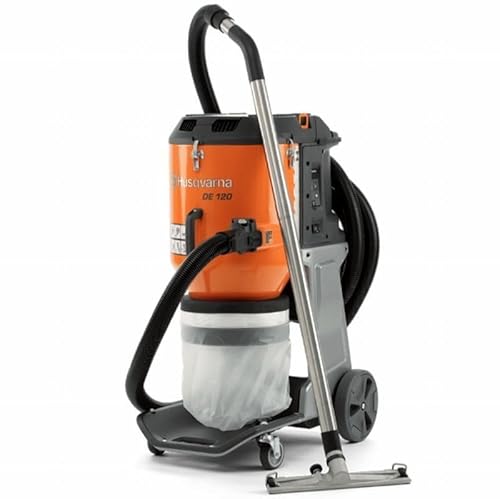
Continuous High Performance: The ingenious e-flow system automatically adjusts air flow to prolong time between filter cleanings, allowing operators to work longer without interruption

AUTOCLEAN: Enhanced automatic main filter cleaning ensures consistently high suction power. You can set cleaning intervals (15, 30, 60, or 120 seconds) via the app, providing thorough cleaning for heavily clogged filters.

Powder coated paint
Where Dust Accumulates and Why Those Spots Fuel Secondary Explosions

Here’s what actually happens when dust leaves the production floor and finds a place to settle: it builds up where gravity and airflow drop particles out of suspension, and those piles can fuel a secondary explosion if they’re disturbed. You’ll see layers on overhead beams, machinery ledges, and the tops of ductwork because moving air slows there and particles fall out; for example, at a grain mill I inspected, you could run your hand across a beam and leave a definite line of flour dust. Clean those surfaces every 1–2 weeks depending on dust load to keep layers from growing.
Before you start cleaning, know why hidden cavities are dangerous: deposits inside equipment enclosures, hollow structural members, and clogged duct bends grow unseen until an event lifts them into a cloud and fine particles ignite faster than coarse debris. In one food-processing plant, a motor bearing failure shook out powder from a hollow strut and created a suspended cloud that caught fire—inspect those cavities monthly with a flashlight and an inspection mirror. Use a rag or vacuum rated for combustible dust to remove 1–3 mm of buildup when you see it.
Why targeted actions work: removing dust where it accumulates cuts the amount of material available for a secondary blast, and keeping dust collectors maintained prevents clouds in the first place. Steps you can take now:
- Identify hotspots: check beams, ledges, duct tops, equipment enclosures, hollow members, and duct bends — mark them on a floor plan.
- Inspect routinely: overheads and exposed ledges every 1–2 weeks; hidden cavities and enclosures monthly.
- Clean correctly: use a Class II/III vacuum or damp wiping for combustible dust; avoid compressed air unless you have containment.
- Maintain collectors: check filters, seals, and differential pressure every month; change filters per manufacturer hours or when dP rises 25% from baseline.
- Record and act: log inspections and cleanings, and remove deposits >1–3 mm immediately.
If you follow those steps, you’ll reduce the fuel for secondary explosions and lower risk from an initial event.
Recommended Products

POWER: With strong airflow and suction power, the BOSCH VAC090AH dust collector delivers a maximum 150 cubic feet of air per minute rate (CFM), with a sustainable maximum 97 in. static water lift
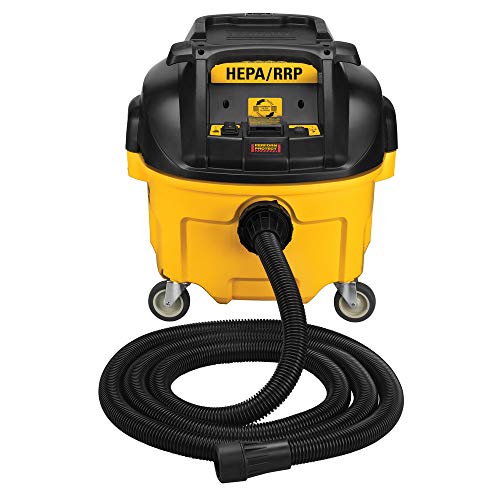
8 GALLON BASIC FEATURED DUST EXTRACTOR

Powder coated paint
Typical Ignition Sources in Woodworking Shops and Plants

Before you start, know why this matters: if you miss ignition sources you’ll get fires or dust explosions that destroy equipment and injure people.
Mechanical friction can spark or get hot enough to ignite dust, so you need to inspect and maintain moving parts regularly. Example: a clogged planer bearing ran hot in a small shop and ignited sawdust in the housing — firefighters traced the burn pattern to the bearing. 1) Check bearings and belts every 30 days. 2) Replace any bearing that spins rough or runs more than 20°C above ambient using an infrared thermometer. 3) Keep cutting edges sharp; dull blades heat up faster. If a part fails, shut the machine down immediately.
Electrical faults create arcs and hot surfaces that start fires, so treat electrical maintenance as a priority. Example: an overloaded dust collector motor tripped repeatedly until arcing melted nearby ductwork insulation and ignited accumulated dust. 1) Label circuits and never exceed motor nameplate amp ratings. 2) Inspect wiring quarterly for chafing, loose lugs, or discoloration. 3) Use arc-fault breakers where dust accumulates.
Hot work like welding or grinding brings embers into dusty areas, so control the work area and remove dust first. Example: a welder working near a storage rack blew sparks into a 3-inch layer of dust that smoldered for hours before flaring up. 1) Move welding and grinding at least 35 feet away from dusty equipment, or create a fire-resistant barrier. 2) Clean dust within a 35-foot radius before hot work. 3) Use a fire watch for at least 30 minutes after finishing.
Static discharge can spark a suspended dust cloud, so you need grounding and bonding on conveyors and bins. Example: a loaded pneumatic transfer line generated static that discharged when a worker opened a valve, igniting a brief dust cloud. 1) Install grounding straps and check continuity monthly; acceptable resistance is under 10 ohms. 2) Use anti-static brushes or conductive hoses on transfer lines. 3) Keep relative humidity above 30% with humidifiers to reduce charge buildup.
Poorly maintained motors and switches run hotter and raise ignition risk, so schedule condition monitoring. Example: a small shop ignored a humming motor until a bearing locked and the housing reached 300°C, igniting nearby dust. 1) Perform visual and thermal checks monthly. 2) Lubricate motors per manufacturer intervals. 3) Replace F-class insulation if temperatures exceed rated limits.
Recommended Products

Circulate up to 1,300 cubic feet of air per minute

Powerful 1100 CFM Woodworking Dust Collection: The 1-1/2HP motor delivers up to 1100 CFM airflow to collect sawdust, wood chips, and fine dust from table saws, planers, jointers, sanders, band saws, routers, and other dust-producing woodworking machines

6' Tube Filled with Dupont Fe-36 Clean Agent
Housekeeping, Ventilation, and Monitoring: Quick Steps to Cut Fire Risk
How do housekeeping and monitoring reduce fire and explosion risk?
Why it matters: dust buildup creates fuel and hides hot spots that can start fires.
Think of dust like dry kindling coating every surface; one spark and it spreads.
Example: in a small cabinet shop, a thin layer of sawdust on a motor housing ignited after a bearing overheated, causing a two-hour shutdown and $8,000 in lost orders.
How to keep surfaces clean (step-by-step)
Why it matters: removing settled dust cuts the chance of secondary explosions and ignition from hot surfaces.
- Schedule cleaning twice per week for busy shops and once per week for low-use spaces.
- Use a HEPA-rated shop vacuum for ledges, beams, and equipment—avoid compressed air unless you have proper containment.
- Wipe with a microfiber cloth dampened with a mild detergent for sticky residues, then vacuum again.
- Empty collection bags/filters when they’re 50–75% full, not completely full.
Real example: a furniture maker I know started twice-weekly HEPA vacuuming and reduced visible dust on overhead beams from 3 mm to less than 0.5 mm in three months.
How to inspect hidden hollows and motors
Why it matters: hidden hollows collect dust that can smolder unseen and later ignite.
- Create a monthly inspection checklist covering motor housings, conveyor tops, duct elbows, and behind control panels. Number each item.
- Use a flashlight and mirror or an inspection camera for tight spots.
- Record each inspection in a simple log (date, location, condition, action taken).
Real example: during a monthly check, a shop owner found 6 mm of dust under a conveyor motor and tightened a loose guard, preventing a likely failure.
How to improve ventilation and airflow
Why it matters: good airflow dilutes airborne dust and lowers explosive concentrations.
- Measure basic airflow: place a smoke pencil or incense at intake and exhaust to confirm movement; adjust fan speed until smoke exits the exhaust within 5 seconds.
- Install an exhaust fan sized roughly 1,000–2,500 CFM for small to medium shops; consult a vendor for larger spaces.
- Keep intake and exhaust grilles clear and clean filters monthly.
Real example: a mill reduced airborne dust by about 40% after adding a 1,200 CFM exhaust near table saws and relocating a clogged intake grille.
How to monitor particulate and temperature in real time
Why it matters: sensors give early warnings so you can act before conditions turn dangerous.
- Pick sensors that report PM2.5/PM10 and surface or ambient temperature to a central panel or phone app.
- Set alarms: particulate alert at 100 µg/m3 and temperature alert 10°C above normal baseline for your equipment.
- Test alarms quarterly and replace sensor filters or sensors per manufacturer guidance.
Real example: an installation that tripped a particulate alarm at 120 µg/m3 allowed staff to stop work and vacuum before a hot bearing triggered an incident.
Small habits that make a big difference
Why it matters: consistent actions prevent most incidents.
- Train everyone: a 10-minute monthly safety huddle covering one housekeeping task reduces lapses.
- Keep a simple logbook by the main entrance for quick notes on spills, full filters, or triggered alarms.
Real example: a shop implemented a 10-minute huddle and fixed three minor dust issues in the first month, avoiding downtime.
Final practical checklist (do these this week)
Why it matters: these quick actions reduce immediate risk.
- Vacuum ledges and equipment with a HEPA vacuum.
- Run a basic smoke test on your ventilation.
- Walk key machinery and inspect motor housings.
- Verify sensors and alarms work.
- Start a monthly inspection log.
If you want, I can turn this checklist into a printable one-page sheet you can pin in your shop.
Recommended Products

10X HIGHER SUCTION POWER than standard dust collectors and the only dust collection system on the market with high enough levels of static pressure (WC) and airflow (CFM) to effectively capture and contain dust from every tool in the shop with a dust port size of 1” to 5”. BEST DUST COLLECTOR – Popular Mechanics 2020 Tool Awards


Powerful Makita-built motor delivers 127 cfm and 96" Water Lift of suction using corded power
Dust-Collection Design and Maintenance for Explosion Prevention
Before you size or tweak a dust-collection system, know that reducing airborne dust at the source cuts your fire and explosion risk by a big margin: controlling dust means fewer ignition opportunities and less fuel for a blast. For example, a woodworking shop I know reduced visible sanding dust by 80% after resizing ducts, and they stopped three near-miss fires from thrown sparks.
1) How should you size and route ducts?
Why it matters: ducts sized wrong and with long branches let dust settle and weak suction lets particles escape.
Steps:
- Match the system capacity to the peak tool output — use the tool’s CFM rating. For a 5-hp table saw that needs ~1,200–1,800 CFM, pick a collector that sustains that flow at the end of the longest run.
- Keep runs short and straight: limit branch length to under 10 feet where possible and use 45° bends instead of 90° to keep velocity above 4,000 feet per minute for fine dust.
- Use smooth-walled ducts (sheet metal, not corrugated flex) to cut deposits; if you must use flex, keep it under 25% of the run.
Real-world example: a cabinet shop replaced a 30-foot flexible run with 12 feet of sheet metal and two 45° elbows and saw suction at the sander rise 30%.
2) How do you reduce ignition sources?
Why it matters: sparks and static are common igniters in dusty environments and grounding stops electrostatic sparks.
Steps:
- Specify spark-resistant materials—ducts and fittings made of conductive metal—and bond all metal parts with #4 AWG bonding straps.
- Ground the collector and tools to you’re building ground; measure continuity under 1 ohm.
- Install spark arrestors or magnetic separators ahead of the collector if you run grinders or metal-cutting tools.
Real-world example: a metal fab shop added a magnetic separator before their dust collector and caught a glowing ember from a grinder before it reached the filter.
3) When should you fit explosion venting or suppression?
Why it matters: vents relieve pressure if a dust cloud inside an enclosed collector ignites, preventing a catastrophic vessel rupture.
Steps:
- If you have enclosed collectors or baghouses that handle combustible dust, add explosion venting sized per the collector volume and dust Kst value; consult NFPA 68 for vent area calculations.
- Where venting won’t work (indoor vents), use suppression systems or isolation valves to stop flame propagation.
- Label vent outlets and ensure vent discharge directs away from personnel and neighboring equipment.
Real-world example: a grain-handling facility fitted vents sized from NFPA calculations and prevented structural damage after a minor internal ignition.
4) How often should you maintain filters and inspect seals?
Why it matters: clogged filters and leaks reduce capture and let dust escape to create hazardous accumulations.
Steps:
- Monitor differential pressure across filters weekly; clean or replace cartridges once pressure rise reaches the manufacturer’s recommended limit (commonly 2–4 inches of water column).
- Replace filters on a scheduled cycle — every 6–12 months for many operations — or sooner if you see wear, tears, or burned spots.
- Inspect seams, hoppers, gaskets, and rotary valves monthly; fix leaks so you keep negative pressure and avoid material buildup in joints.
Real-world example: a plastic molding shop cut floor dust by half after enforcing a monthly gasket check and swapping cartridges every 9 months.
5) What should you train staff to do and record?
Why it matters: human actions during startup, shutdown, and maintenance decide whether settled dust becomes airborne or an ignition happens.
Steps:
- Train crew with a brief checklist: stop tools, allow dust to settle for 10 minutes, then use the dust collector on low before full restart to avoid stirring settled dust.
- Require lockout/tagout and grounded tools during filter changes, and use a non-sparking brush when cleaning hoppers.
- Keep written inspection and maintenance logs with dates, readings (CFM, inches WC), and repairs for at least two years.
Real-world example: a small furniture shop prevented a restart incident after a worker followed a 10-minute settle rule and used the checklist before switching the system back on.
Final practical notes: always get the dust’s classification (Kst or dust explosibility test) for engineering controls, follow NFPA standards that match your industry, and have a qualified vendor size equipment when in doubt. Keep one bold point in mind: ensure grounding continuity under 1 ohm.
Prioritizing Controls: Quick Wins, Monitoring, and Compliance Checklist
If you’ve ever walked into a dusty workshop and felt the air buzz, this is why.
Start with quick wins that cut risk fast and are cheap to do. Why it matters: removing surface dust immediately reduces the fuel for a secondary explosion. Example: at a small metal-fabrication shop, wiping down conveyors and sealing a ceiling gap stopped dust drifting onto a grinder within two days. Do these steps, in order:
- Improve housekeeping: sweep with a HEPA-filtered vacuum daily in production areas and do a wet wipe of benches weekly.
- Seal gaps: caulk or foam gaps ≥1/8 inch where dust piles up (around skylights, ducts, and conduit penetrations).
- Maintain dust collectors: empty hopper bins when they reach one-third full, inspect bags monthly, and record each service in a log.
Bonus: train staff on cleaning, hot work, and lockout procedures and document every session with date, attendees, and topics covered.
How do you monitor hazards over time? You need a simple program you can stick to. Why it matters: ongoing monitoring shows whether your fixes are working or if dust is returning. Example: a woodworking shop tracked particle counts and stopped getting near-miss shutdowns after changing sanding-room filters. Do these steps:
- Set metrics: weekly surface-inspection checklist (10 sample points), monthly particle counts (µg/m3) near high-speed tools, and a trending log.
- Run inspections: assign one trained person per shift to do the 10-point sweep and enter results in a spreadsheet.
- Review trends: if particle counts rise by >20% month-over-month, investigate and correct within seven days.
Short check: keep one visible chart showing the last six weeks of counts.
What checks satisfy insurers and regulators? You need proof you followed standards. Why it matters: documented controls reduce liability and can lower premiums. Example: an automotive-parts plant passed an insurer audit after providing NFPA-aligned records and a grounding test sheet. Follow this compliance checklist:
- Ventilation: confirm airflow rates meet your process requirements; record damper and fan checks quarterly.
- Grounding and bonding: test continuity of portable and fixed equipment every six months and log resistance values.
- Dust collection: show inspection and maintenance logs (hoppers, bags, drum seals) and demonstrate bin-level controls.
- Records aligned to NFPA: keep hot-work permits, training records, inspection logs, and incident reports for five years.
- Insurance review: have your broker or loss control rep inspect annually and get a written summary of corrective actions.
One last practical tip: pick one quick win from the first list and one monitoring metric, and put them on a calendar for the next 30 days. You’ll see measurable change fast.
Frequently Asked Questions
Can Wood Dust Pose Long-Term Health Risks Beyond Fire and Explosion?
Yes — I worry wood dust causes chronic respiratory problems and can raise occupational cancer risk; I’d urge you to use controls, PPE, monitoring, and medical surveillance to protect workers’ long-term health.
How Often Should Dust Collectors Be Fully Emptied and Inspected?
I recommend weekly inspections of dust collectors and emptying them as needed, plus seasonal deep cleans where I fully empty, inspect filters, seals, and ducts, and test safety devices to prevent buildup, fires, and explosions.
Are DIY Woodworking Spaces at the Same Explosion Risk as Factories?
Like a tinderbox waiting for a spark, I’d say hobbyist setups and small workshops aren’t as prone as factories but still face serious explosion risk if dust accumulates, ventilation’s poor, or collectors aren’t properly maintained—treat them seriously.
What Emergency Response Steps Should Workers Take During a Dust Explosion?
I’d evacuate immediately following established evacuation procedures, help others if safe, call emergency services, and use emergency communication systems to report location and injuries; I’d avoid re-entering until responders declare the area safe.
Can Anti-Static Flooring and PPE Significantly Reduce Ignition Risk?
Yes — I’ll be blunt like a Victorian inventor: anti static mats and conductive footwear plus PPE greatly cut ignition risk by draining charges, reducing sparks, and protecting workers, though they’re most effective alongside ventilation and housekeeping.