Why Accuracy and Repeatability Matter More in Recent Woodworking Discussions

Accuracy and repeatability matter: learn how consistent setups save time and scrap by locking in repeatable cuts—check samples and lock it in today.


Accuracy and repeatability matter: learn how consistent setups save time and scrap by locking in repeatable cuts—check samples and lock it in today.

Router table turns hand routing into repeatable, precise work—less scrap, less dust, fast setups with stops and jigs. Learn setup and safety now.

Setup habits that cut mistakes on table saws, routers, and planers—lock power, check blades, test cuts, and log settings to save time. Try them now.
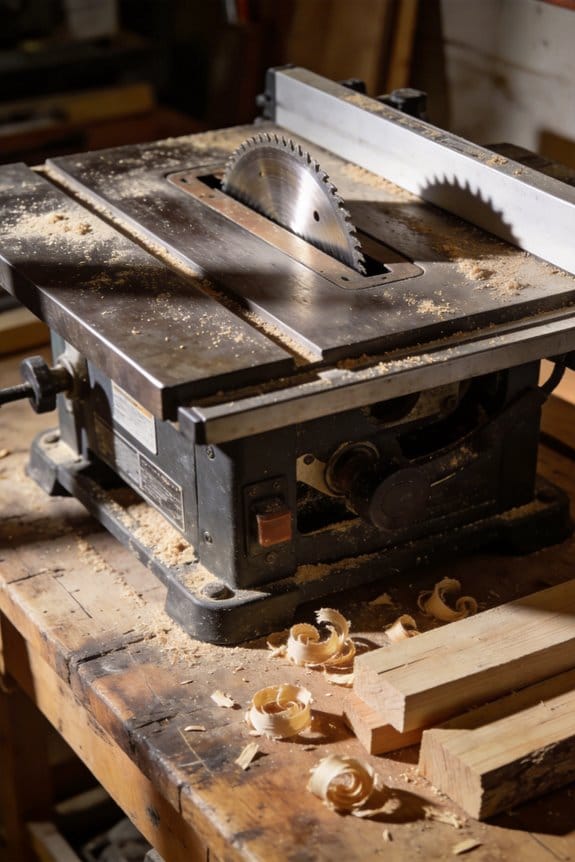
Table saw dust management frustrates many—physics and bad hardware cause most problems. Learn simple fixes to capture dust better; read how.

Bevel angles matter—set a 20°–25° primary for sharpness and durability; tweak micro‑bevels by wood type to get cleaner cuts. Try it now.

Sharp chisels cut with less force, letting you pare precisely and avoid tear‑out. Learn sharpening basics and care to improve your woodworking — start now.

Surface prep cuts rework and failures by ensuring clean, correctly profiled surfaces for coatings. Learn simple SOPs and tests to protect finishes—get started now.

Cordless routers speed trim and detail work—no tangled cords and quick setup. Learn practical tips, limits, and battery tricks. Read now.

How better air quality makes your shop feel fresher and more comfortable—cut CO2, odors, particles and VOCs with simple fixes like filters and vents. Learn how.

Hand-cut joinery tutorials teach clear, repeatable skills—tight dovetails, snug tenons—with low-cost tools and tactile tips. Try a lesson today.